If you're studying fashion design or trying to get into it you've probably already found a dozen "top Indian designers" lists. Most of them give you the same names, a birth date, and a line about how "talented" the person is. That doesn't help you.
Here's the more useful question: not who the great Indian designers are, but what each one actually changed, and what that means for the way you learn, build a portfolio, or answer a design entrance interview.
A name you can memorise. A principle you can use. So this list is built around the second one. For every designer below, you'll get a direct answer to "what did they revolutionise?", the reasoning behind it, and one takeaway you can genuinely apply to your own path.
At the end, you'll also find the mistakes students make when they study icons like these, a simple framework for deciding which designer's approach is closest to your own interest, and how to use all of this for entrance exams and interviews.
First, what does "revolutionised" actually mean here?
It doesn't mean "made expensive clothes" or "dressed celebrities." A designer changes the industry when they do something structural: create a new market, save a dying craft, open a door that stayed shut before, or shift how an entire generation dresses.
Keep that filter in mind as you read. It's the same filter an interviewer is testing when they ask, "Which Indian designer do you admire, and why?" The weak answer names a designer. The strong answer names what they changed.
The Top 10 Indian Fashion Designers Who Changed the Game
1. Ritu Kumar - The woman who built the foundation
What she changed: She created the idea of "Indian fashion" as a business when it didn't formally exist yet.
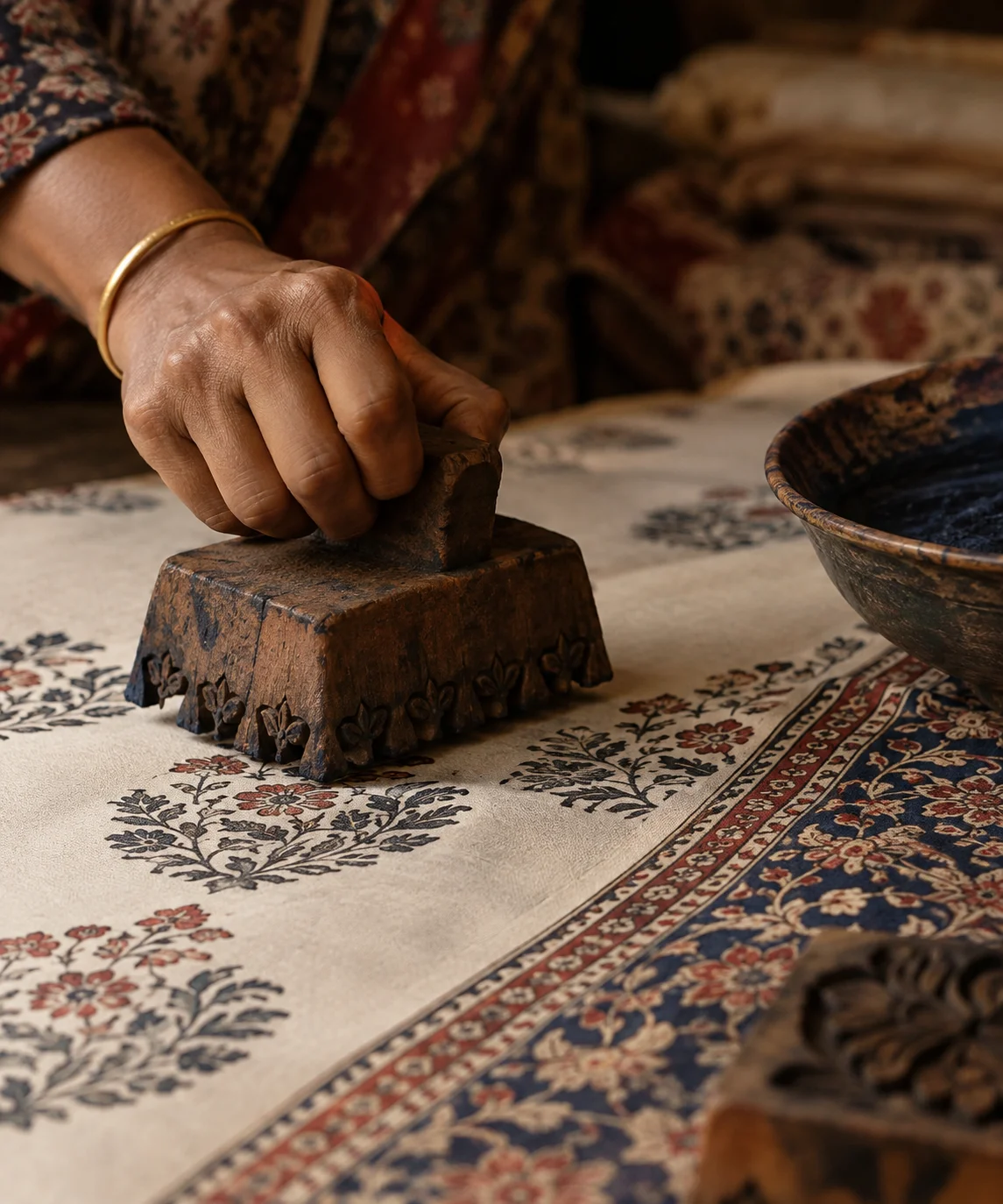
Ritu Kumar started in 1969 with two tables and four hand-block printers in a village near Kolkata. While studying art history and museology, she saw that traditional Indian prints and embroidery skills were quietly dying out. Instead of importing Western trends, she revived crafts like zardozi and hand-block printing and turned them into a modern label, becoming the first designer to bring "boutique culture" to India.
Lesson for you: Your biggest creative advantage is often something around you that everyone else is ignoring. Ritu Kumar didn't chase what was fashionable abroad; she looked down at India's own heritage and rebuilt from there.
2. Tarun Tahiliani - The man who professionalised the industry
What he changed: He built the infrastructure Indian fashion needed, not just the clothes.
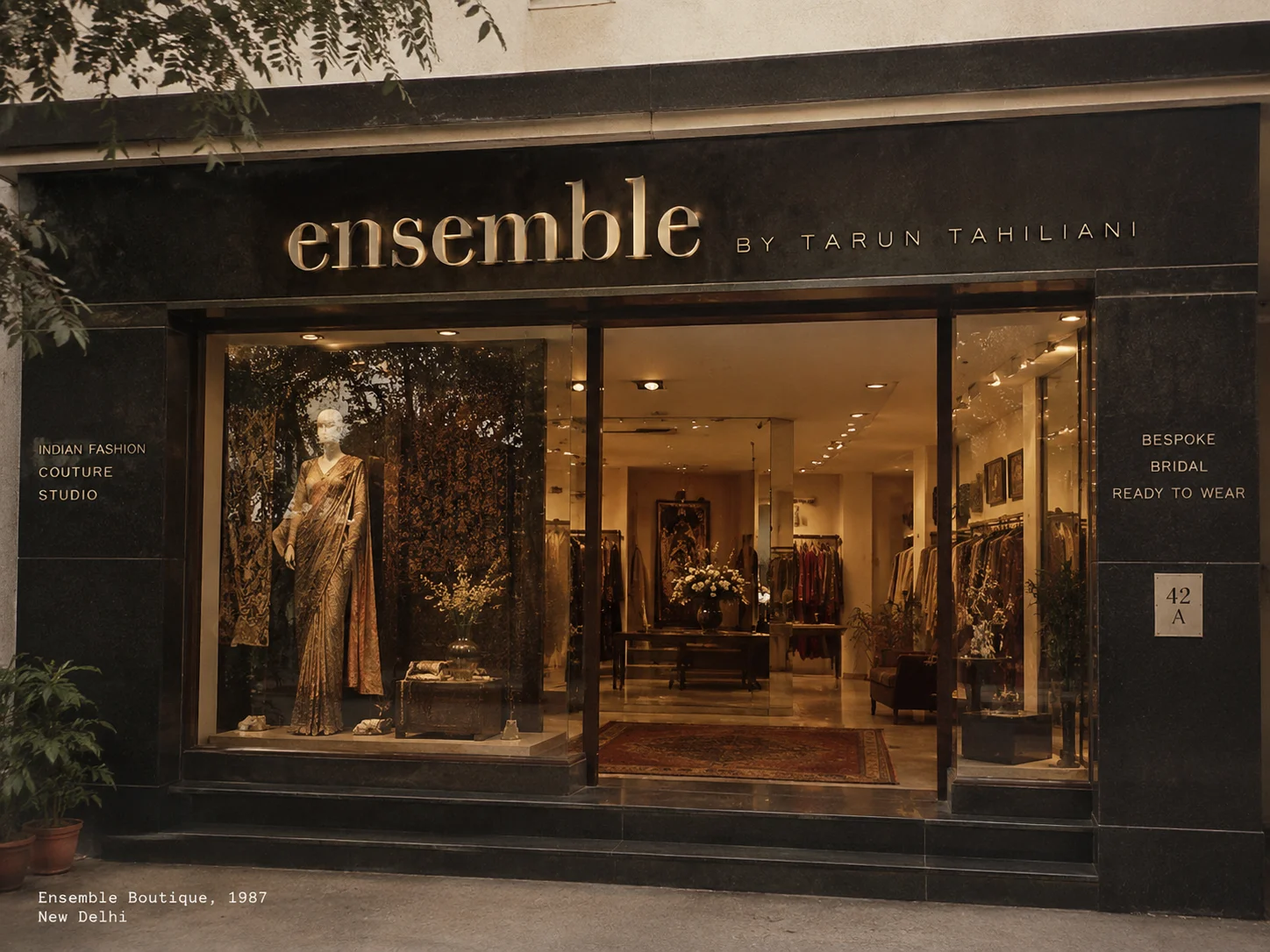
A Wharton business graduate, Tahiliani co-founded Ensemble in 1987 India's first multi-designer boutique giving designers a proper retail platform for the first time. In 2003 he became the first Indian designer to show at Milan Fashion Week, and he was among the founders of the Fashion Design Council of India (FDCI) in 1999. His signature "India Modern" style fuses classical Indian draping with precise, contemporary tailoring.
Lesson for you: Talent needs a system to survive. Understanding the business of fashion retail, presentation, positioning is not "selling out." It's often what lets a creative career last.
3. Sabyasachi Mukherjee - The one who made "Indian" aspirational again
What he changed: He made rooted, maximalist, unapologetically Indian design the most desirable luxury in the country and then took it global.
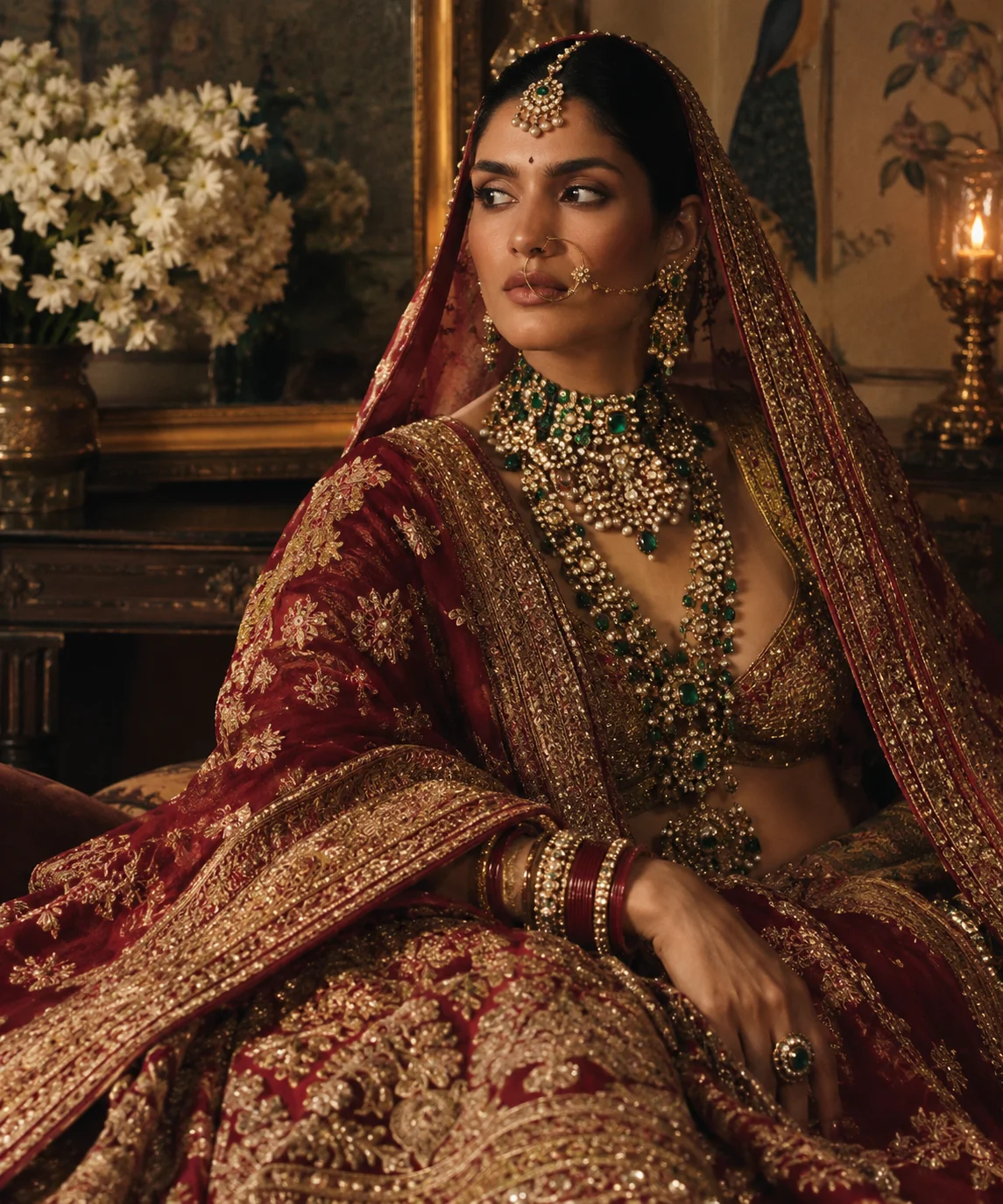
Sabyasachi launched his label in 1999 and built it around revived textiles, handloom, and a deep, vintage Indian aesthetic. He redefined the Indian bridal market, sold a 51% stake to Aditya Birla Fashion and Retail in 2021, opened a New York flagship in 2022, and has run high-profile residencies at Bergdorf Goodman. He has spoken publicly of an ambition to build a global brand of serious scale by 2030.
Lesson for you: He refused to "tone down" the Indian-ness of his work to please international taste and that specificity became his strength. A strong point of view usually beats trying to please everyone.
4. Manish Malhotra - The designer who turned Bollywood into a fashion engine
What he changed: He elevated film costume from an afterthought into a legitimate design discipline and made celebrity styling an industry.
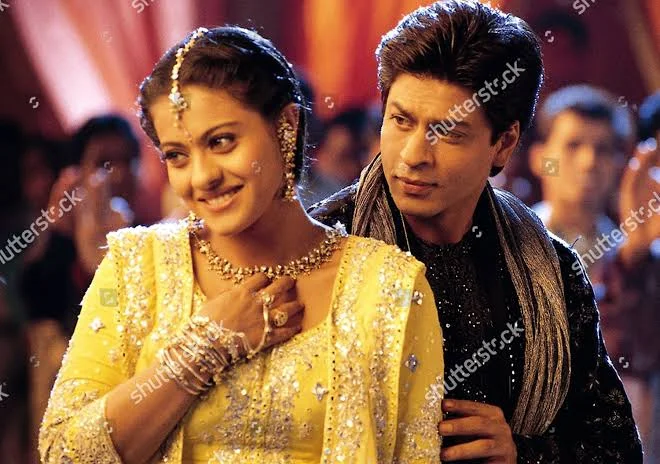
Before Malhotra, movie clothes were rarely treated as "fashion." He changed how leading actors looked on screen, then built that influence into a couture label and a fine-jewellery line, with major retail backing behind the brand.
Lesson for you: You don't always enter through the "main door." Malhotra found an overlooked space (film costume), dominated it, and used it as a launchpad. Look for the door nobody's fighting over.
5. Rohit Bal - The artist who married tradition and drama
What he changed: He proved Indian design could be both deeply rooted and theatrically modern, at a global standard.
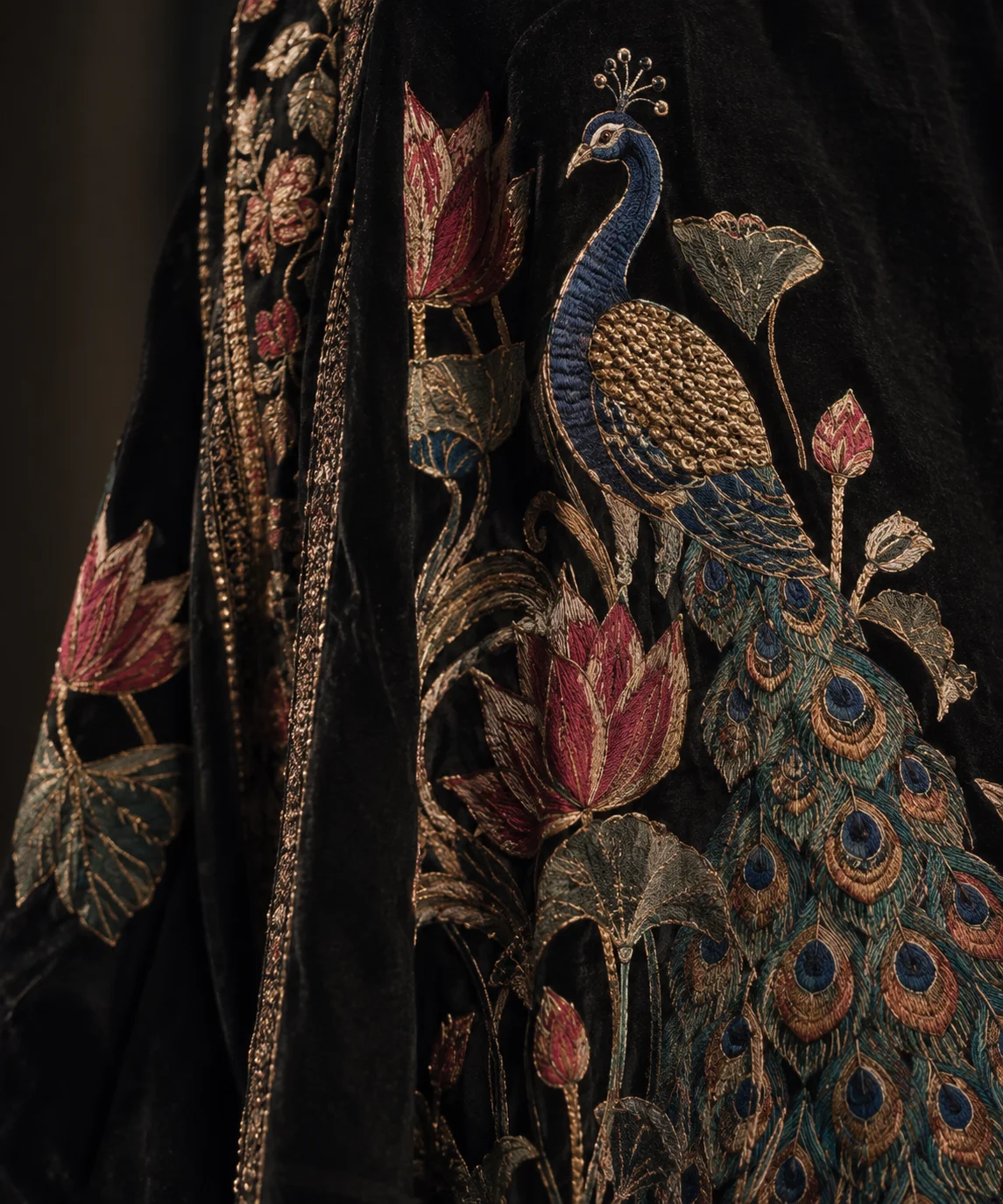
Affectionately called "Gudda," Rohit Bal was a founding member of the FDCI and one of India's most celebrated designers, known for blending traditional motifs, peacocks, lotuses, Mughal detailing with a bold, romantic sensibility. He passed away on 1 November 2024, weeks after a moving final runway show, leaving a legacy that shaped how a generation thinks about Indian couture.
Lesson for you: A recognisable signature matters. Bal's motifs were instantly his. Ask yourself early: what will people recognise as my handwriting?
6. Wendell Rodricks - The pioneer of restraint
What he changed: In an industry that loved embellishment, he championed minimalism, resort wear, and sustainability decades before they were trendy.
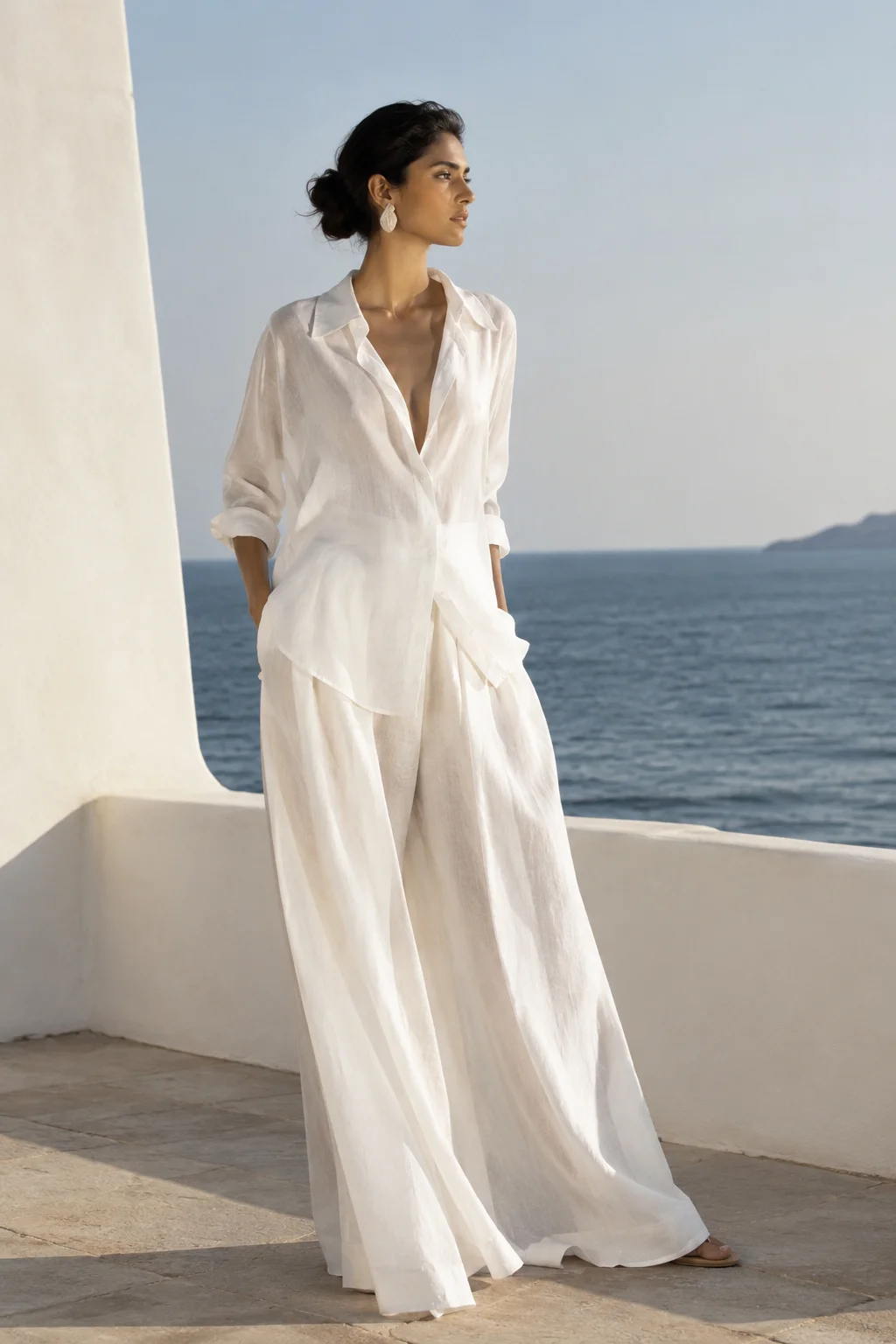
Based in Goa, Rodricks built a philosophy around clean lines, comfort, and eco-conscious design, and worked to revive the region's near-forgotten Kunbi weave. He was awarded the Padma Shri, founded the Moda Goa Museum to document Goan dress history, and was an early, outspoken voice for LGBTQ rights in India. He passed away in 2020.
Lesson for you: You don't have to follow the loudest trend. Sometimes the boldest move is the opposite of what everyone else is doing with conviction.
7. Rahul Mishra - Proof that craft and conscience can go global
What he changed: He put Indian handcraft on the world's most exclusive stage, on his own terms.
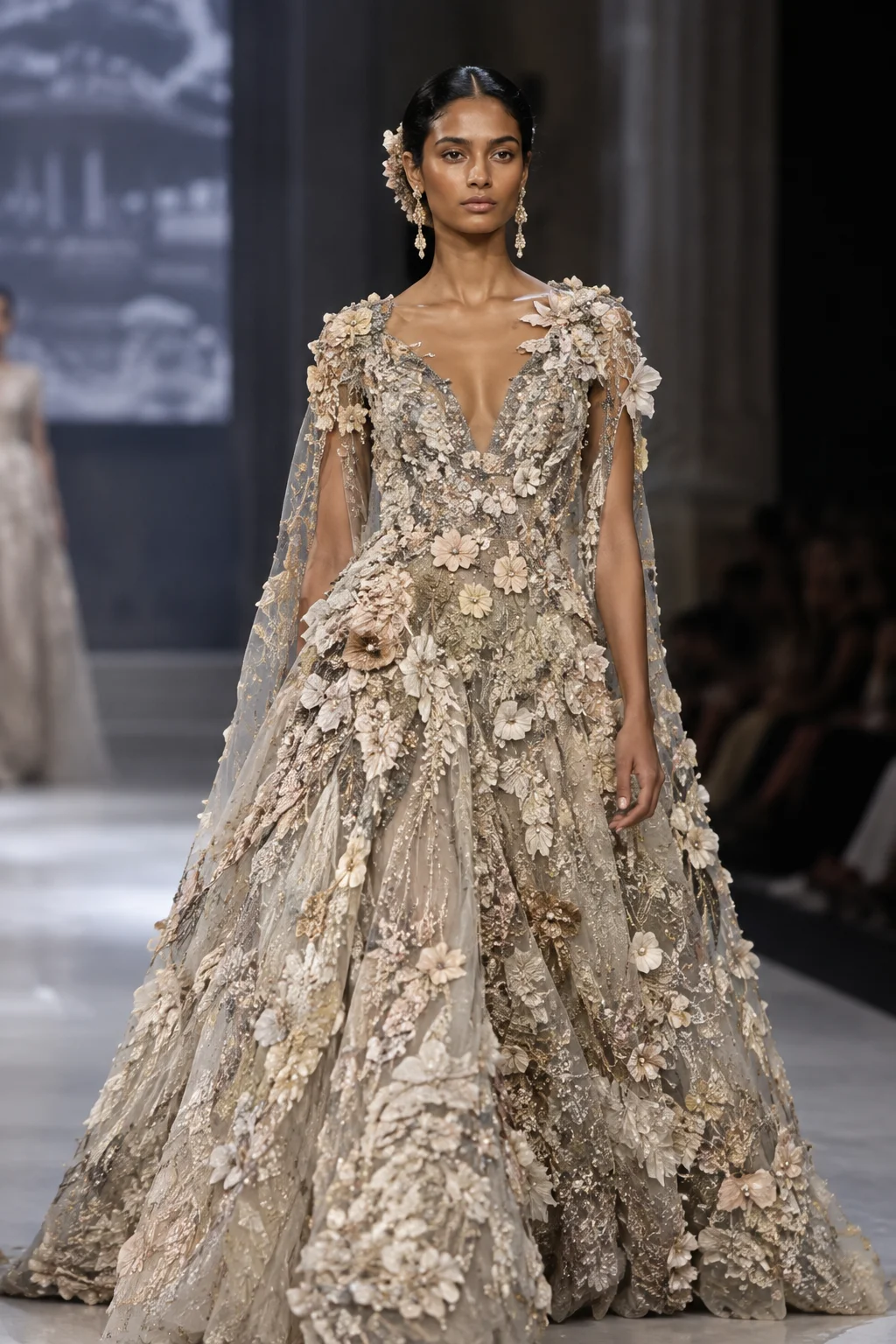
Mishra, a graduate of NID in Ahmedabad and Istituto Marangoni in Milan became the first Indian designer to win the International Woolmark Prize (2014) and the first Indian invited onto the official Paris Haute Couture calendar (2020). His hand-embroidered couture can take thousands of hours per piece, and he built a business model that deliberately employs large numbers of artisans while reducing waste.
Lesson for you: He grew up in a small village near Kanpur, not a fashion capital and studied at a design school inside India before going abroad. Your starting point does not decide your ceiling.
8. Anamika Khanna - The one who rewrote the silhouette
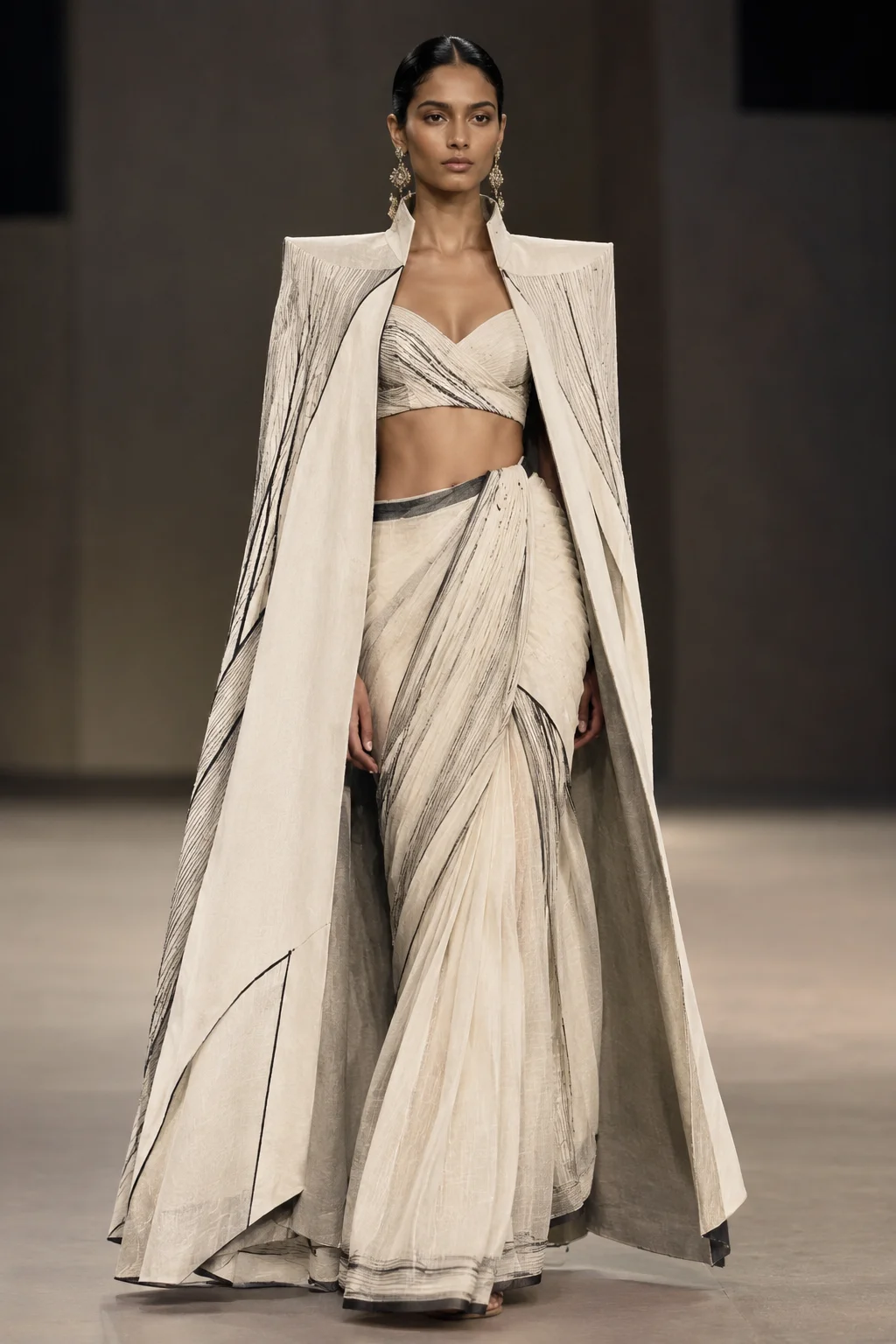
What she changed: She reinvented how Indian womenswear is cut and worn and was the first Indian designer with a genuine international label.
The Kolkata-based designer became the first Indian designer with an international line ("Ana Mika") and the first Indian woman to show at Paris Fashion Week in 2007. Her real revolution was structural: she deconstructed the sari, paired it with trousers and structured capes, and made draped, layered, modern Indian silhouettes feel completely new at a time when doing so was considered risky.
Lesson for you: Innovation isn't always a new fabric. Often it's a new construction of something familiar. Question the "rules" of a garment; that's where original design lives.
9. Manish Arora - India's ambassador of colour and imagination
What he changed: He showed the world that Indian design could be avant-garde, playful, and futuristic not only heritage and bridal.
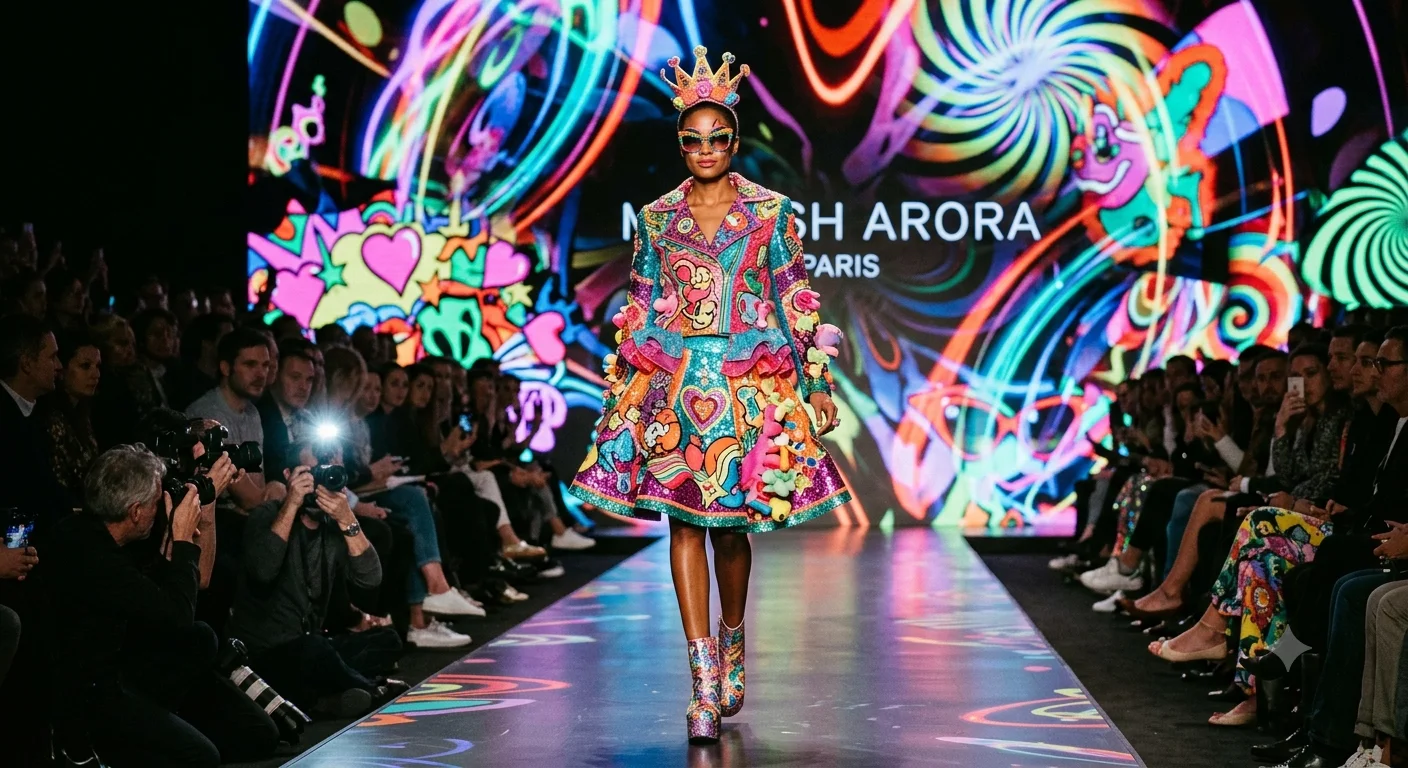
Known internationally for his kaleidoscopic colour, pop-culture references, and fantastical detailing, Arora earned the nickname "the John Galliano of India," showed at Paris and London, and collaborated with global brands. He proved there was room for Indian maximalist fantasy on the world runway.
Lesson for you: Don't assume the market wants only one version of "Indian." Arora carved a lane by being the most imaginative person in the room, not the most traditional.
10. Gaurav Gupta - The new generation sculptor of couture
What he changed: He extended India's presence at Paris Haute Couture with a completely contemporary, sculptural language.
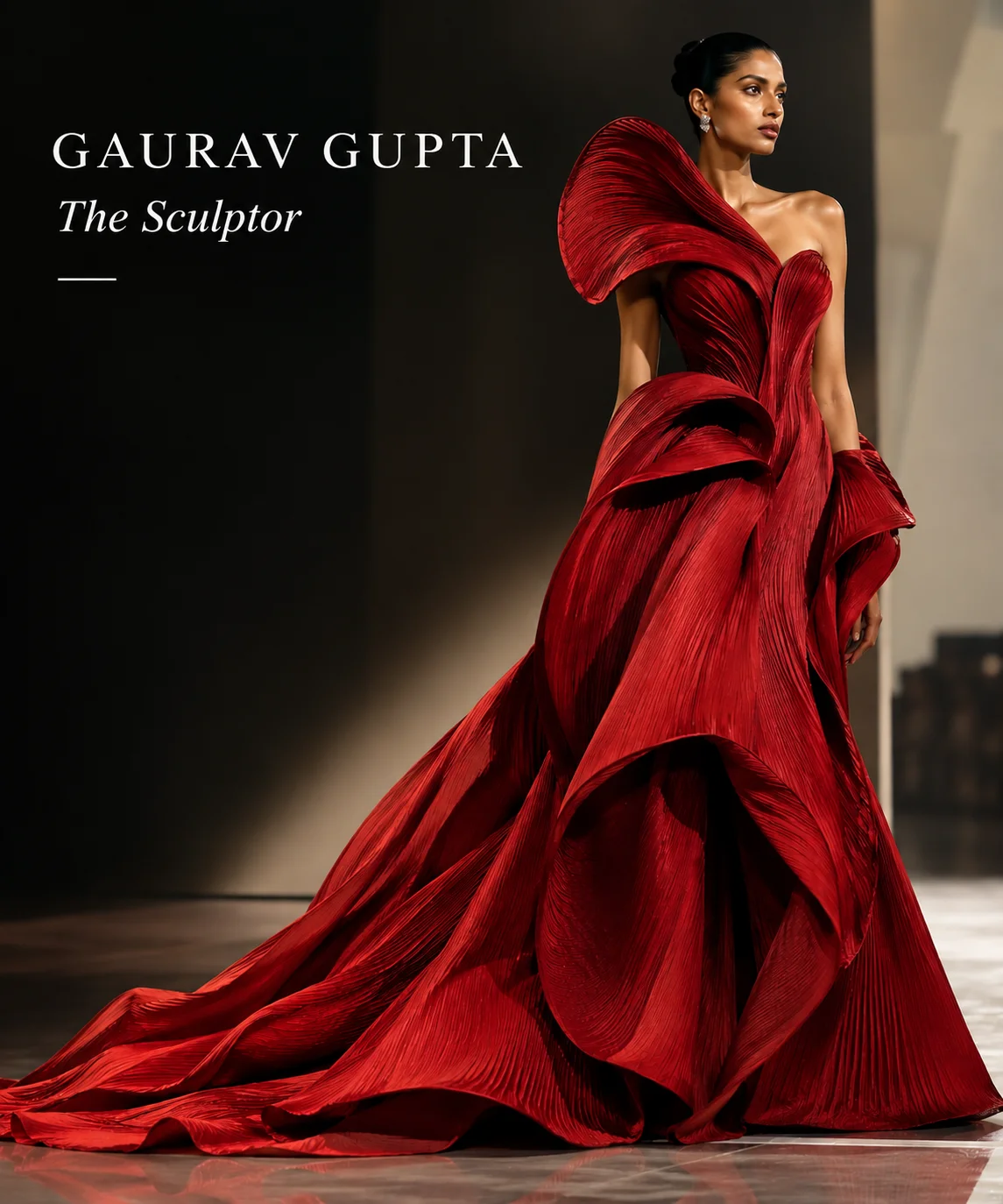
A Central Saint Martins graduate who founded his label in 2005, Gupta is known for architectural draping and futuristic, sculpted silhouettes. In 2023 he joined the official Paris Haute Couture calendar, dressing global stars on major red carpets and helping prove that Indian couture's global moment is ongoing, not a one-off.
Lesson for you: The door Rahul Mishra opened, Gupta walked through with a different aesthetic. Being "next" is a real opportunity you don't have to be the first to be significant.
A quick note on how the industry was built
Names like Rohit Khosla don't always make these lists, but he was a key early figure who helped organise Indian fashion in the 1980s (his work was part of the early Ensemble story). Understanding that the industry was built by people through boutiques, councils like the FDCI, and fashion weeks is exactly the kind of context that separates a thoughtful design student from someone who just memorised names.
The mistakes students make when studying designers like these
Reading a list is easy. Using it well is where most students slip. Watch for these:
- Memorising names without understanding contribution. In an interview, "I like Sabyasachi" says nothing. "I admire how Sabyasachi refused to dilute Indian identity for global markets" shows you actually think like a designer.
- Copying an icon's style instead of learning their thinking. Your portfolio shouldn't look like a Sabyasachi imitation. Study why he makes choices, then make your own.
- Assuming you need the "right" background. Several designers here came from small towns, non-fashion families, or business/art backgrounds. Talent and persistence mattered more than pedigree.
- Ignoring the business side. Tahiliani and Sabyasachi succeeded partly because they understood retail and brand-building. "Pure art" rarely survives without it.
- Studying only bridal and couture. Minimalism (Rodricks), avant-garde (Arora), and prêt (Khanna) are equally valid paths. Don't narrow your idea of "fashion" too early.
Which designer's approach fits you? A simple framework
Use this to figure out whose thinking is closest to your own instinct useful for shaping a portfolio or answering "who inspires you?"
This isn't a box to trap you in, most designers borrow from several columns. It's a starting point for finding your direction.
How to actually use this list for entrance exams and interviews
Exact answer: don't memorise the list, turn each name into a one-line "what they changed." Examiners and interviewers are testing whether you understand fashion as a field that evolves, not whether you can recite Wikipedia.
Practically, prepare three things:
- One designer you admire, with a reason tied to their contribution (not "their clothes are nice").
- One trend or shift you find interesting for example, Indian couture entering Paris, or the revival of handloom.
- A short opinion of your own. Interviews reward students who can think, not just recall.
Where formal fashion education fits in
Here's an honest point: many of these designers studied formally at NIFT, NID, Central Saint Martins, or in Milan while a few were largely self-taught. Structured education isn't the only path, but it accelerates most people, because it teaches the parts that are hard to self-learn: pattern-making, garment construction, textile knowledge, portfolio development, and industry exposure.
If you're in Gujarat, it's worth knowing Ahmedabad is a genuine design hub. It's home to NID, India's premier design institute, and a growing ecosystem of fashion education. If you're trying to understand what a fashion design programme actually involves eligibility, duration, and how courses differ, Amor Design Institute has a detailed breakdown here: Fashion Design Courses in Ahmedabad Fees, Duration & Eligibility (2026 Guide).
(For specifics like course structure, eligibility, or fees, always verify directly with the institute, since these change year to year.)
FAQs
Who is considered the "first lady" or pioneer of Indian fashion?
Ritu Kumar is widely regarded as a pioneer of the modern Indian fashion industry. She started in 1969 and was the first to introduce boutique culture in India while reviving traditional textile crafts.
Which Indian designers have shown at Paris Haute Couture Week?
Rahul Mishra was the first Indian designer invited onto the official Paris Haute Couture calendar, in 2020. Gaurav Gupta joined the official schedule in 2023. Both are considered leaders in taking Indian couture global.
Do I need to be from a fashion family or a big city to become a designer?
No. Several top designers came from small towns or non-fashion backgrounds. Rahul Mishra, for instance, grew up in a village near Kanpur and studied design within India before going abroad. Skill, portfolio, and persistence matter more than background.
Which designer should I study for a fashion entrance interview?
Study whichever one's contribution genuinely interests you, and be ready to explain why. Understanding what a designer changed (a craft, a market, a silhouette) impresses examiners far more than naming a favourite.
Is a formal fashion design course necessary?
It's not strictly mandatory, but for most people it's the fastest, most reliable route. Formal training teaches construction, textiles, and portfolio-building that are difficult to learn alone, plus it provides industry exposure.
Final takeaway and your next step
These ten designers didn't succeed because they were "creative." They succeeded because each one changed something specific: a craft, a market, a silhouette, a stage, an idea of what Indian fashion could be.
So here's your practical next step: pick the two designers from this list whose thinking feels closest to your own instinct. Write one line on what each of them changed, and one line on how you'd want to build on it. That short exercise will do more for your portfolio and your interviews than memorising all ten names ever could.
If your next question is "okay so how do I actually start studying fashion design?", that's the right question to be asking. Understanding the paths available (and what each course really covers) is the natural follow-up to feeling inspired.