What is a Fashion Design Portfolio?
A fashion design portfolio is a curated collection of your strongest creative work that highlights your design skills, artistic vision, and technical proficiency. It functions as a visual resume, presenting your distinctive style, creativity, and capabilities to prospective employers, academic institutions, or clients.
A typical fashion portfolio consists of 15 to 20 pages and includes sketches, technical drawings, mood boards, fabric swatches, photographs of completed garments, and documentation of your design process.
How to Make a Fashion Design Portfolio for College?
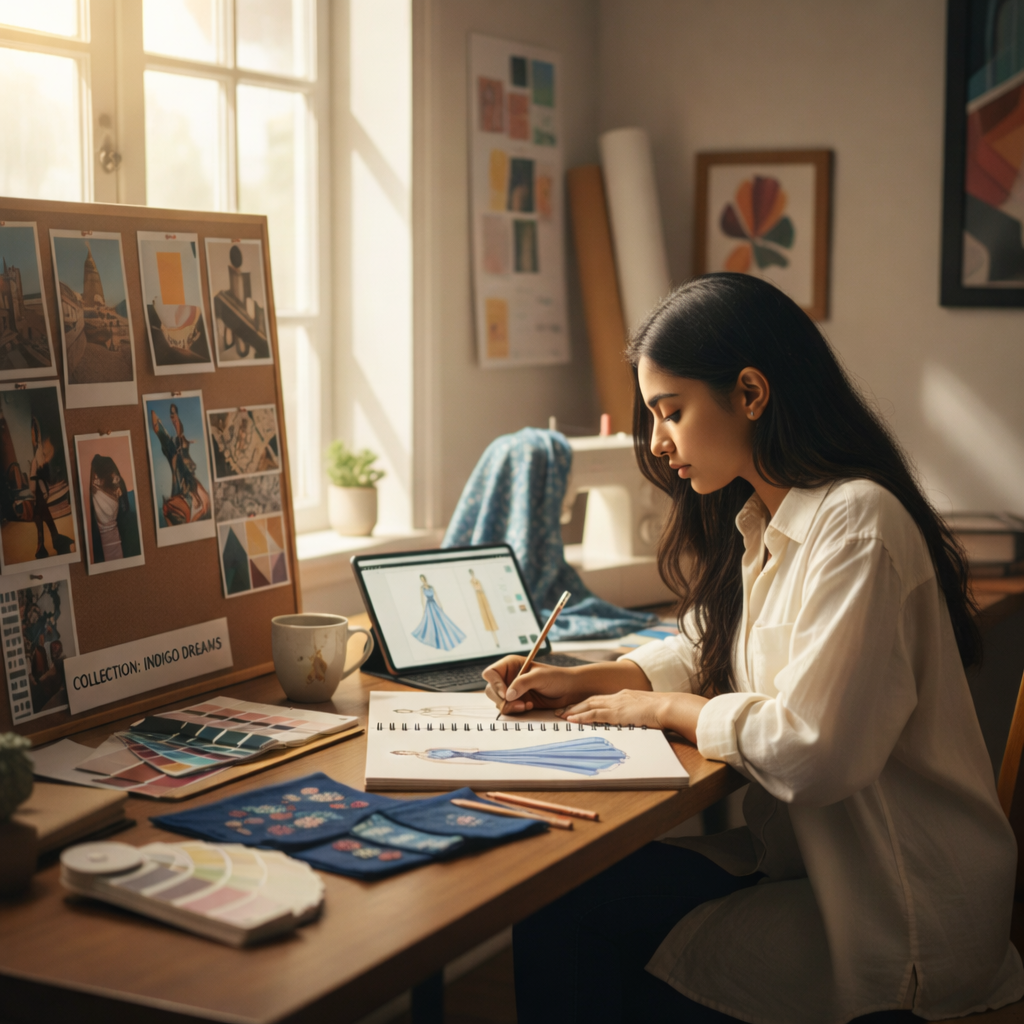
Step 1: Understand College Requirements
Most fashion institutes require 15-20 pages that demonstrate:
- Original design concepts
- Technical skills (sketching, draping, sewing)
- Creative thinking process
- Range of styles and techniques
Step 2: Include Essential Elements
Must-Have Components:
- Fashion illustrations (8-10 pieces)
- Technical flats and spec sheets (3-5 pieces)
- Mood boards (2-3 collections)
- Process documentation (sketches to final piece)
- Completed garment photographs (3-5 pieces)
- Life drawing or observational sketches (2-3 pieces)
Step 3: Show Your Unique Voice
Colleges seek to understand your individual perspective. Include:
- Personal design philosophy statement
- Inspiration sources that reflect your interests
- Experimental or unconventional pieces
- Work that communicates your creative journey.
How to Make a Fashion Design Portfolio for Jobs?
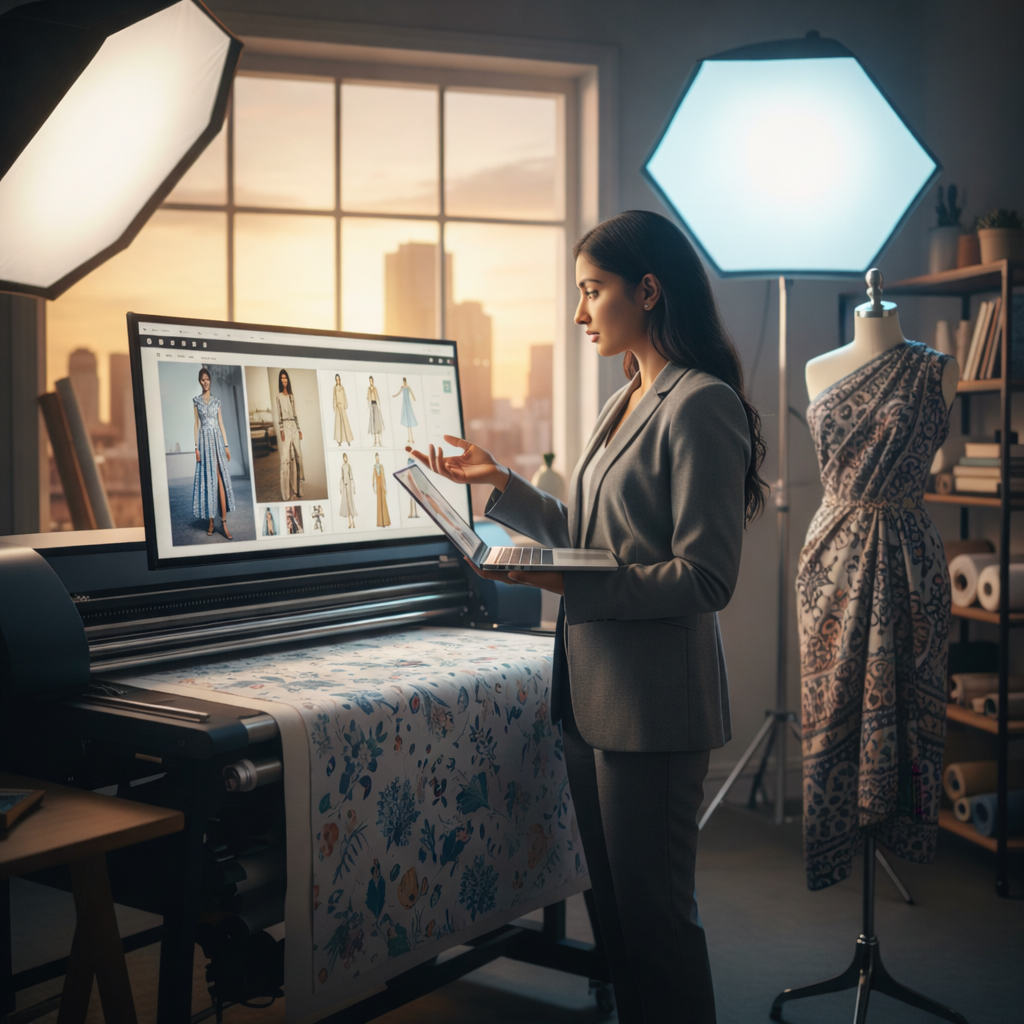
What Employers Look For?
Employers prioritise different elements than colleges:
- Commercial Viability: Designs suitable for retail markets.
- Technical Proficiency: Demonstrated CAD skills and pattern-making expertise.
- Brand Alignment: Work that aligns with the company's aesthetic.
- Industry Awareness: Understanding of current trends and market dynamics.
Professional Portfolio Structure
- Page 1: Feature a strong opening image showcasing your best work.
- Pages 2-4: Present a complete collection with 6 to 8 cohesive looks.
- Pages 5-7: Include technical drawings and detailed specifications.
- Pages 8-10: Document your process, including research, development, and fabric selection.
- Pages 11-14: Add additional collections or individual pieces.
- Pages 15-17: Highlight specialised skills such as print design, textile manipulation, or CAD.
- Page 18: Provide your contact information and a professional summary.
Industry-Specific Tips
- For Ready-to-Wear Brands: Emphasise wearable, market-ready designs.
- For Haute Couture Houses: Highlight craftsmanship and artistic vision.
- For Sportswear Companies: Showcase functional design and expertise with technical fabrics.
- For Fast Fashion: Demonstrate trend awareness and rapid sketching abilities.
How to Create a Digital Fashion Design Portfolio?
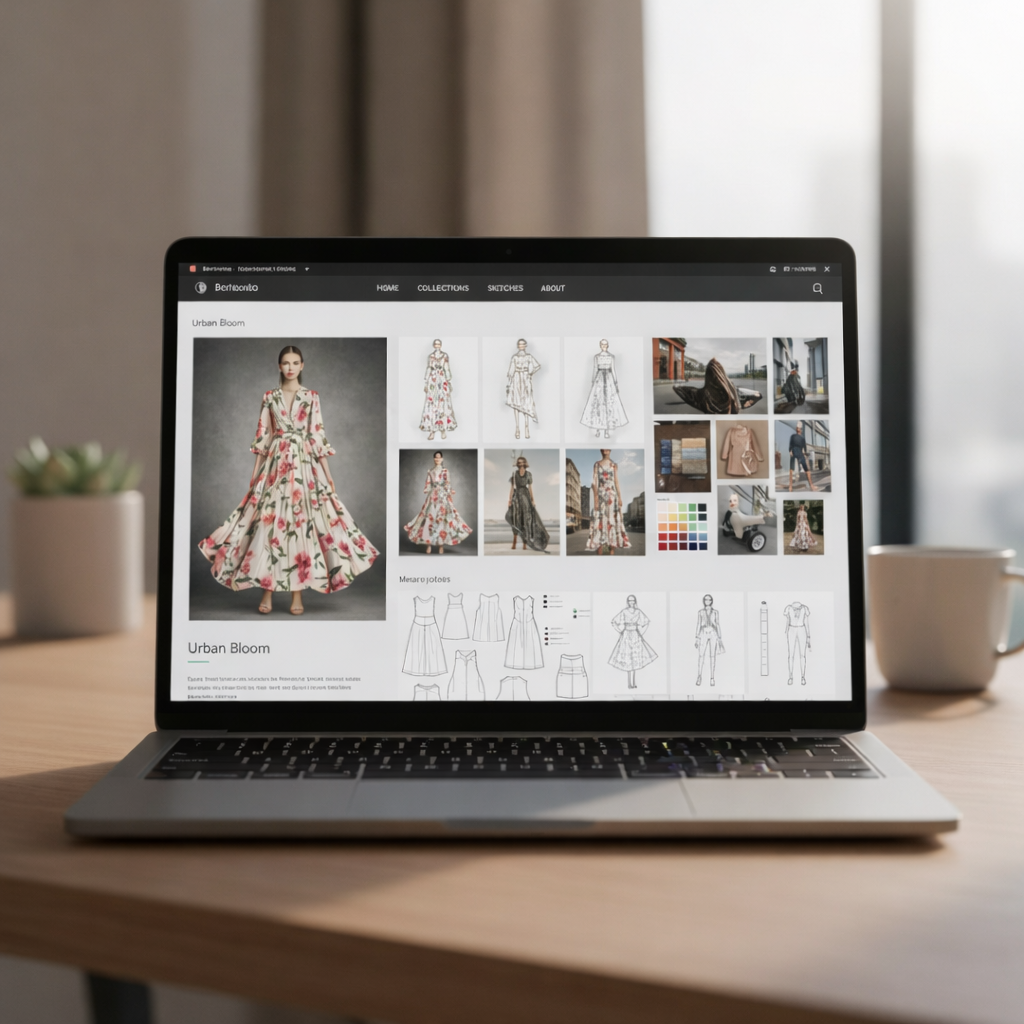
Which Platform Should You Use? The Best Digital Portfolio Platforms are:
- Adobe Portfolio - Professional, customizable, integrates with the Adobe suite
- Behance - Great for exposure, social features, and free
- Wix/Squarespace - User-friendly, beautiful templates
- Cargo Collective - Minimalist, design-focused
- PDF Portfolio - Universal, easy to email, works offline
How to Make a Digital Portfolio Stand Out?
Technical Requirements:
- High-resolution images (300 DPI minimum)
- Consistent image sizing (landscape or portrait format)
- Mobile-responsive design
- Fast loading speed (compress large files)
- Easy navigation menu
Content Best Practices:
- Lead with your strongest work
- Include video content (fashion show footage, behind-the-scenes)
- Add hover effects or interactive elements
- Minimise text to allow visuals to communicate your ideas.
- Update regularly with new projects.
Digital vs. Physical: Which Do You Need?
Digital Portfolio Advantages:
- Easy to share via email or link
- Can include animations and video
- Simple to update
- Environmentally friendly
- Cost-effective
Physical Portfolio Advantages:
- Creates a memorable in-person experience
- Shows attention to detail and presentation skills
- Allows tactile elements (fabric swatches, embellishments)
- No technical difficulties during presentations
- Professional for formal interviews
Recommendation: Maintain both digital and physical versions of your portfolio. Use the digital version for initial submissions and the physical version for final interviews.
Fashion Design Portfolio Examples: What Works?
Example 1: Minimalist Collection Portfolio
- Structure: 5 collections, four looks each
- Style: Clean white backgrounds, consistent lighting
- Strength: Shows versatility across aesthetics
- Best For: Mid-level designer positions
Example 2: Conceptual Art Portfolio
- Structure: Theme-based, storytelling approach
- Style: Editorial photography, mood boards, experimental
- Strength: Demonstrates creative thinking
- Best For: High-fashion houses, college applications
Example 3: Technical Specialist Portfolio
- Structure: Heavy on flats, specs, and CAD work
- Style: Organised, detailed, industry-standard formatting
- Strength: Proves technical competency
- Best For: Technical designer roles, production positions
How to Structure Your Fashion Portfolio?: Page by Page
Opening Pages (Pages 1-3)
Begin with your strongest work, as this will determine whether reviewers continue to engage with your portfolio.
What to Include:
- Hero image: Your most impressive design
- Brief introduction (2-3 sentences about your design philosophy)
- Table of contents (optional for digital)
Main Content (Pages 4-15)
Present 3-4 complete mini-collections or 12-15 individual pieces.
For Each Collection, Show:
- Inspiration/mood board (1 page)
- Sketches and development work (1-2 pages)
- Final designs on models or dress forms (2-3 pages)
- Technical flats with notes (1 page)
- Detail shots of construction (1 page)
Technical Skills Section (Pages 16-18)
Dedicate space to demonstrating specific abilities:
- CAD software proficiency (Adobe Illustrator, CLO 3D)
- Pattern-making samples
- Textile design or print development
- Draping techniques
Closing Pages (Pages 19-20)
- Professional resume (1 page)
- Contact information and social media handles
- Include a thank you note or a clear call to action.
What NOT to Include in Your Fashion Portfolio?
Common Mistakes to Avoid:
Avoid the following common mistakes: poor quality photos (blurry, poorly lit, or with cluttered backgrounds); including too many pieces (prioritize quality over quantity); presenting unfinished work (only include completed, polished projects); submitting copied designs (ensure all work is original); adding irrelevant content (focus on fashion-related work); featuring outdated work (reconsider pieces older than three years); and including every project you have created (be selective and strategic).
How to Photograph Your Fashion Designs?
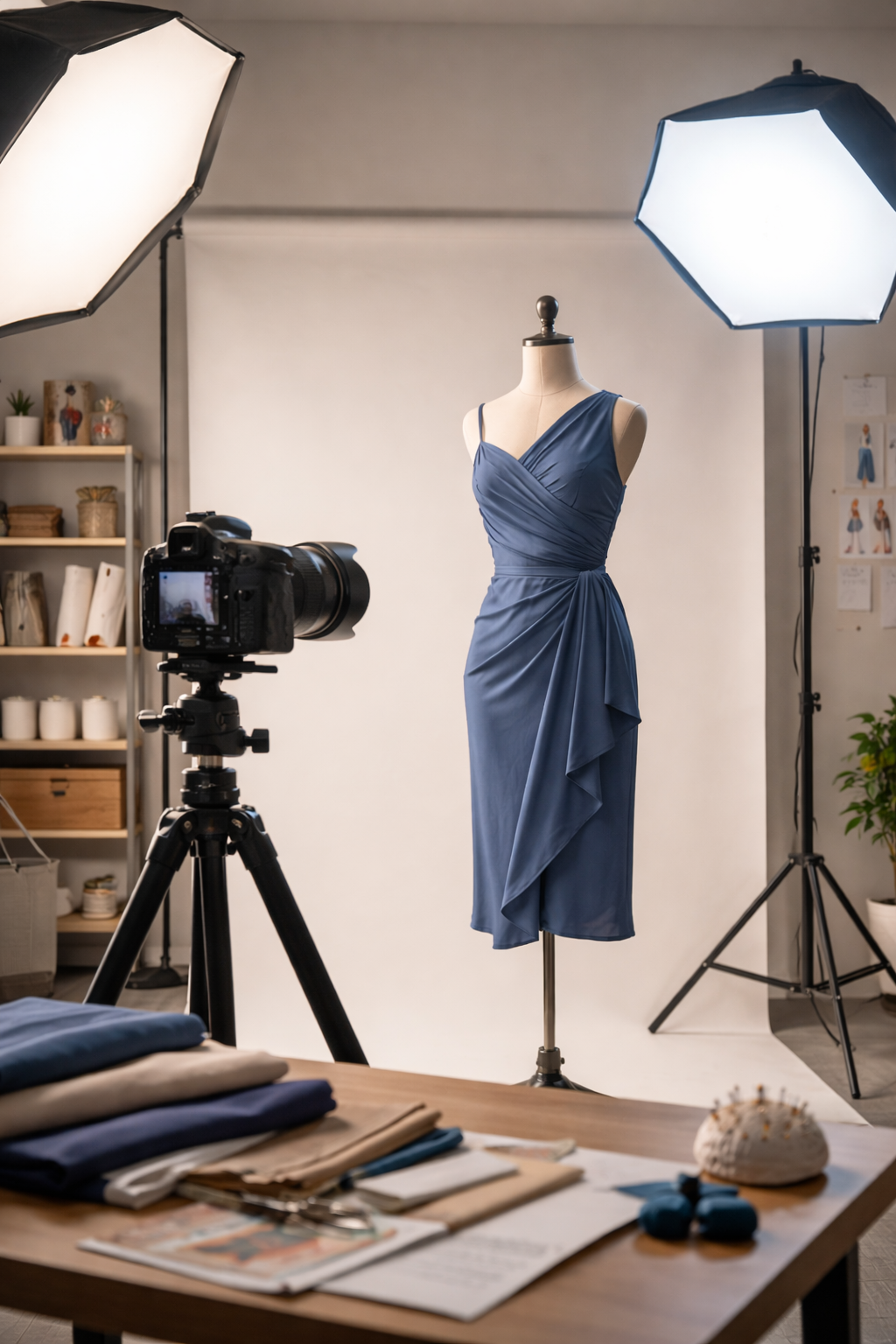
DIY Photography Setup
Equipment Needed:
- A camera or smartphone with good resolution
- Natural lighting (near window) or softbox lights
- Neutral backdrop (white or grey seamless paper)
- Mannequin or model
- Tripod for consistency
Styling Your Shots
Professional Photo Guidelines:
- Use consistent lighting across all images
- Style garments properly (steam, press, fit correctly)
- Shoot from multiple angles (front, back, side, detail)
- Include flat lay shots for intricate details
- Keep backgrounds simple and uncluttered
- Edit photos for colour consistency
How Often Should You Update Your Fashion Portfolio?
Update Your Portfolio When:
- You complete a significant new project
- You learn a new technical skill
- You apply to different types of positions
- Your style or aesthetic evolves
- Work becomes more than 3 years old
- You receive feedback suggesting improvements
Recommendation: Review and refresh every 6 months, even if just swapping out 2-3 pieces.
Common Fashion Portfolio Questions Answered
How many pieces should be in a fashion portfolio?
Answer: 15-20 pieces for college applications, 20-30 for professional portfolios. Quality matters more than quantity.
What size should a fashion portfolio be?
Answer: Standard sizes for physical portfolios are 11x14 inches or A3 (297x420mm). Digital portfolios should be optimised for screen viewing.
Can I include work from school assignments?
Answer: Yes, especially for college applications. For job portfolios, focus on professional or personal projects, but strong academic work is acceptable.
Should my portfolio have a theme?
Answer: Not necessarily. Cohesion matters, but showing range is equally important. Organise by collection or aesthetic rather than forcing one overarching theme.
Do I need a physical and digital portfolio?
Answer: Yes. Digital for initial applications, physical for in-person interviews. Many designers maintain both versions.
Final Tips for Portfolio Success
Conduct thorough research and tailor your portfolio to each institution or company. Seek feedback from professors, industry professionals, or mentors. Practice presenting your portfolio so you can confidently discuss each piece. Maintain authenticity, as your unique perspective is your greatest asset. Continue creating, as a portfolio is an evolving document that grows with your experience.
Remember that your fashion design portfolio is a dynamic document representing your creative development. Begin with strong work, maintain organisation, and ensure your passion for fashion is evident throughout.
To begin building your fashion portfolio, select your five strongest pieces as a foundation and expand from there.