India Has 2,000+ Traditional Outfits - Here Are 7 You Should Know
India has over 2,000 unique ethnic outfits, each tied to a specific region, community, and way of life. From Punjab's Phulkari embroidery to Kerala's gold-bordered Kasavu saree, traditional Indian clothing isn't just about aesthetics; it carries history, spirituality, and identity in every thread.
Table of Contents
- Punjab – Phulkari & Salwar Kameez
- Rajasthan – Ghagra Choli & Angrakha
- Gujarat – Chaniya Choli & Kediyu
- Maharashtra – Nauvari Saree & Dhoti-Kurta
- West Bengal – Laal Paar Saree & Dhoti-Punjabi
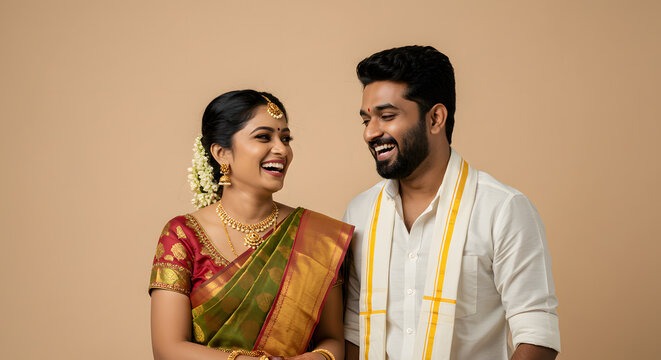
- Kerala – Kasavu Saree & Mundu
- Tamil Nadu – Kanchipuram Saree & Veshti
- Why Traditional Indian Clothing Still Matters
- FAQ
Why Is Traditional Indian Clothing So Significant?
Here's something worth sitting with for a moment: India has over 2,000 distinct ethnic outfits. Not variations of the same thing genuinely distinct garments, each with its own construction, occasion, symbolism, and regional story.
That's not a statistic to gloss over. It tells you something real about how deeply clothing is woven into Indian identity. These aren't costumes brought out once a year. For millions of people, they're worn at weddings, festivals, religious ceremonies, and daily life and the choice of what to wear, in what colour, with what embroidery, carries meaning that goes far beyond fashion.
Let's go state by state.
What Is the Traditional Dress of Punjab?
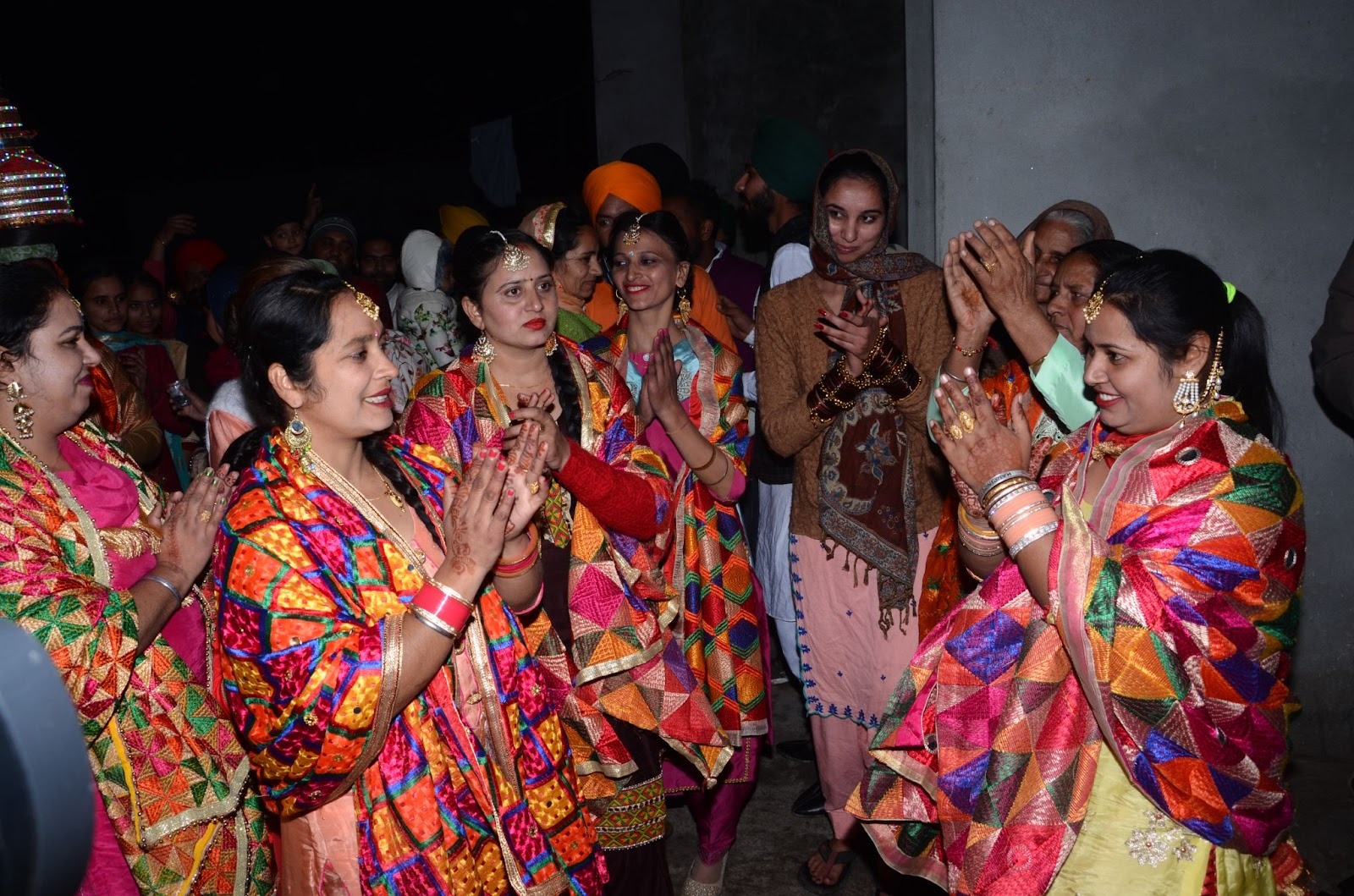
If you've ever been to a Punjabi wedding or a Baisakhi celebration, you already know Punjab doesn't do anything quietly, including its clothing.
Women traditionally wear the Salwar Kameez, often paired with a Phulkari dupatta. The word "Phulkari" literally means flower work, and that's exactly what it is: dense, vivid floral embroidery worked in silk thread on a base fabric, usually in oranges, reds, and yellows that feel almost warm to look at.
Men wear the Kurta-Pyjama with turbans whose style and colour shift depending on the region and the occasion. The turban in Punjab isn't just an accessory, it's tied with intention and worn with pride.
These outfits come fully alive during Baisakhi and Punjabi weddings, where the combination of Bhangra energy and Phulkari colour is something genuinely unforgettable.
What Do People in Rajasthan Traditionally Wear?
Rajasthan is a desert state, but its clothing is anything but sparse. The Ghagra Choli, a full, flowing skirt paired with a fitted blouse is traditionally adorned with mirror work, intricate embroidery, and jewellery that catches light from every angle. It's designed to be seen.
Men wear the Angrakha, a wrap-style garment worn over dhotis or churidars, paired with turbans in colours that actually carry specific meanings:
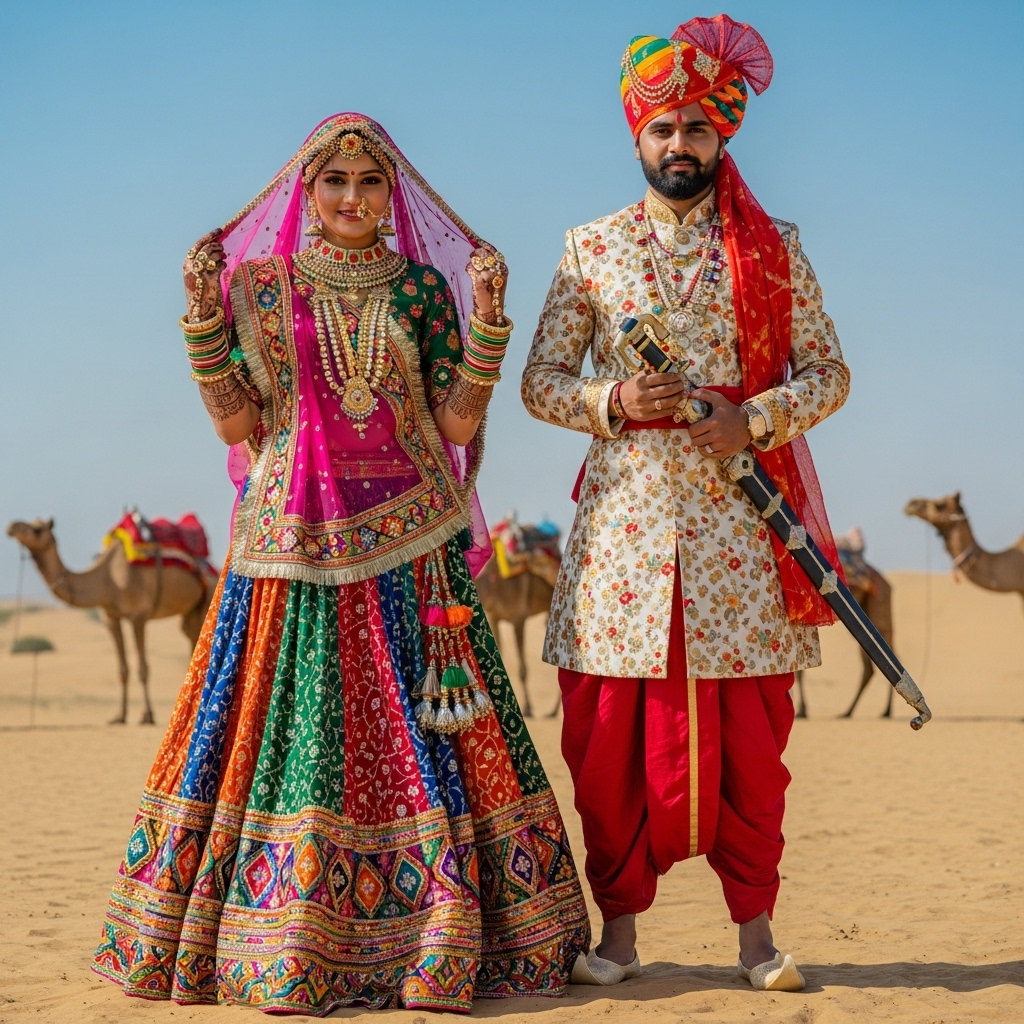
This isn't decoration for decoration's sake, it's a visual language that Rajasthani communities have spoken for centuries.During folk dances like Ghoomar and royal celebrations, these outfits are at their most spectacular. The combination of movement, mirror work, and colour is exactly as striking as it sounds.
What Is the Traditional Clothing of Gujarat?
Ask anyone who's attended a Navratri celebration in Gujarat and they'll tell you the clothing is half the experience.
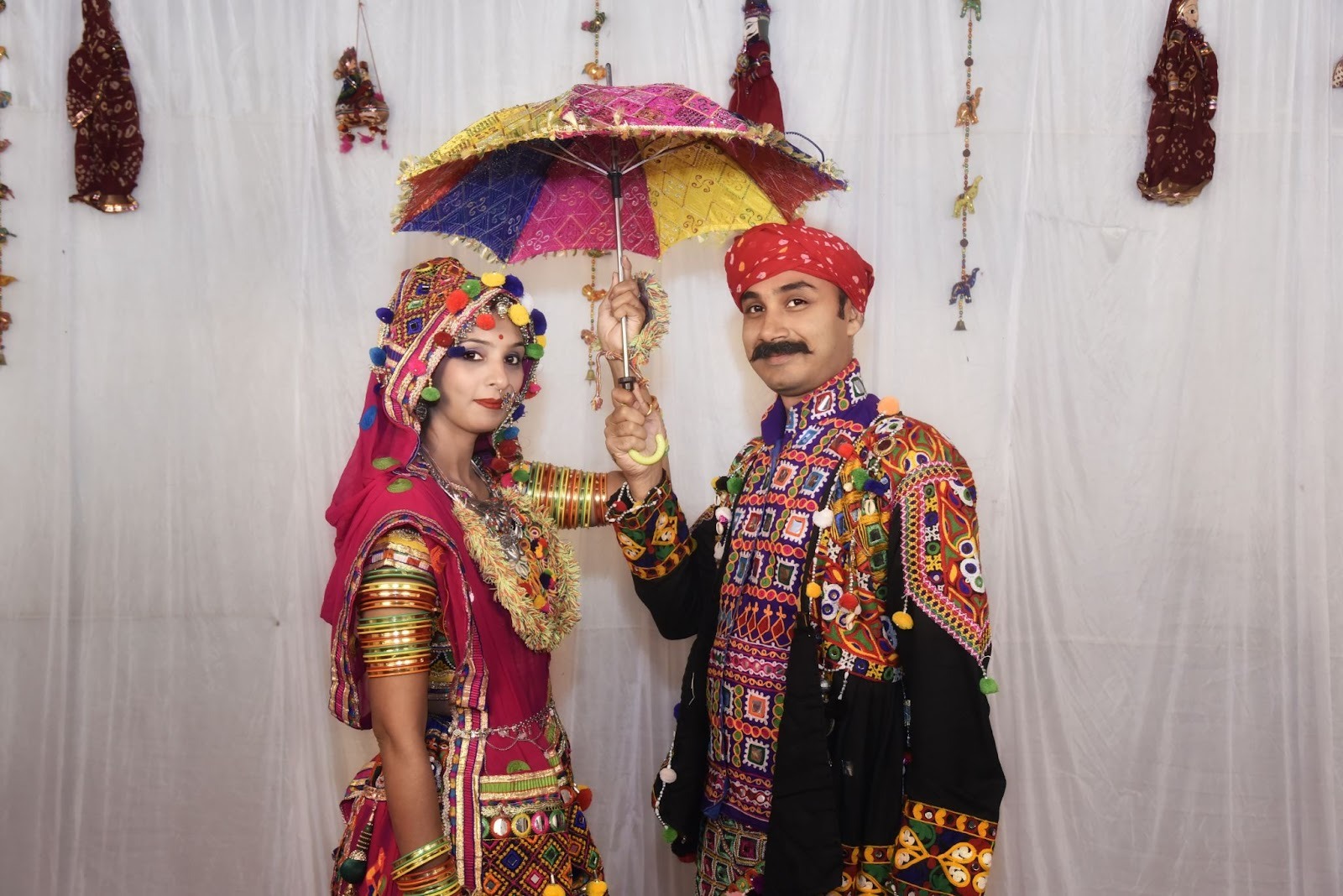
Women wear Chaniya Choli, heavily decorated with mirror work and embroidery in colours that seem designed specifically to look extraordinary under festive lighting. Men wear the Kediyu, a frock-style kurta traditionally paired with a dhoti, a combination that allows for the full range of movement that Garba dancing demands.
Gujarat's traditional clothing is deeply tied to its festive identity. During Navratri, entire cities transform into a display of colour, movement, and cultural pride and the Chaniya Choli is right at the centre of it.
What Is the Traditional Dress of Maharashtra ?
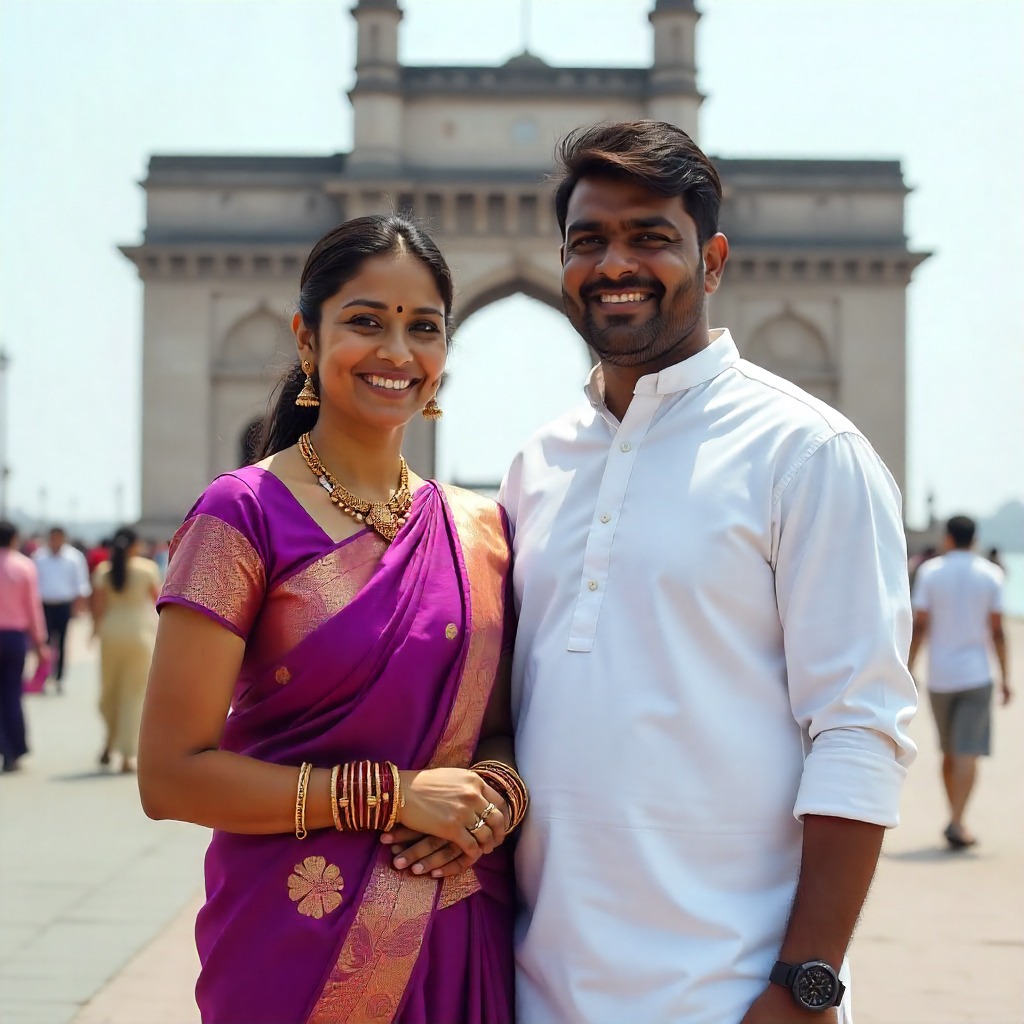
The Nauvari Saree has one of the more interesting origin stories in Indian textile history. The name comes from "nau vari" nine yards and the draping style, which resembles a dhoti, was developed by women warriors in the Maratha kingdom who needed clothing they could actually move freely in.
That's not a detail to skip past. This saree was designed for practicality and strength, not just ceremony. It's worn without a petticoat, draped in a way that allows full leg movement, and has remained a symbol of Maharashtrian identity ever since.
Men wear the Dhoti-Kurta with a Pheta turban, a look that's instantly recognisable and particularly prominent during Ganesh Chaturthi and Marathi weddings.
What Is the Traditional Dress of West Bengal?
Bengali traditional clothing is built on one of the most recognisable colour combinations in Indian fashion: white and red.
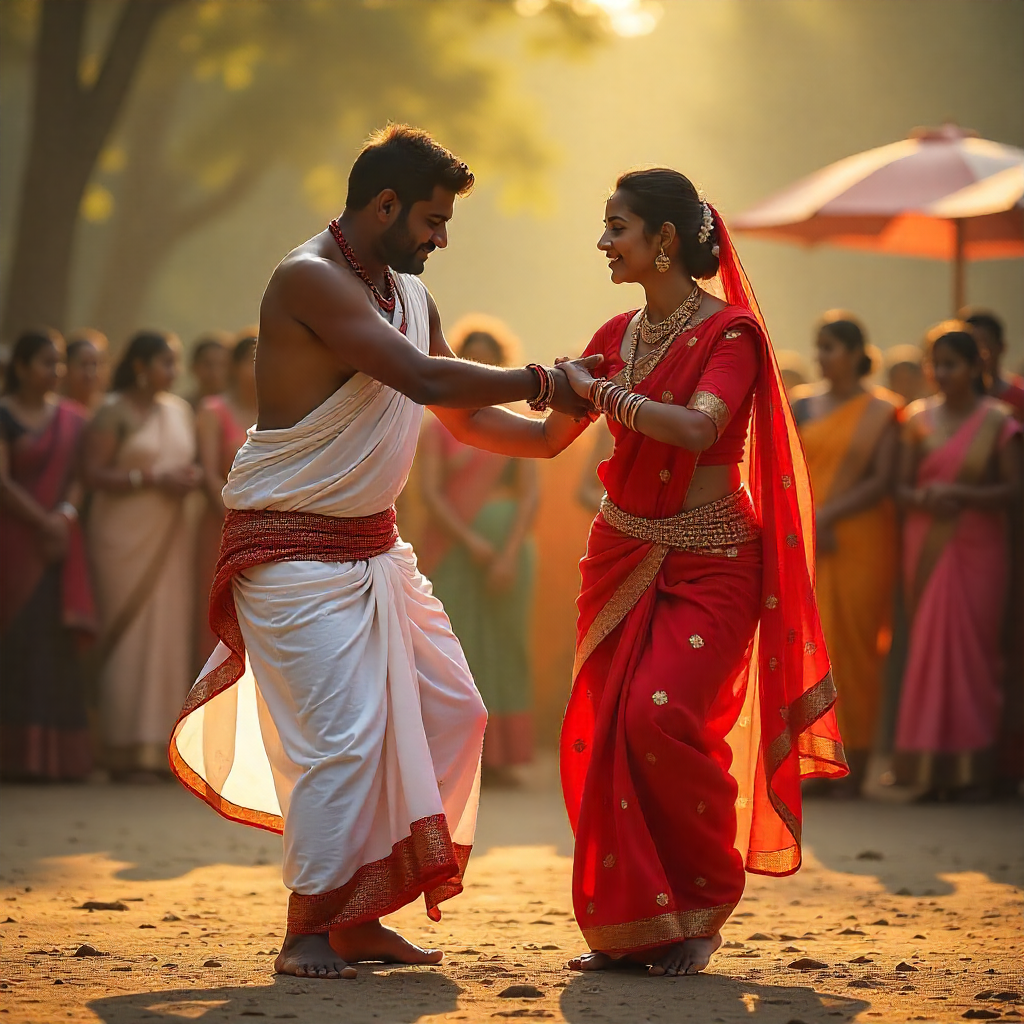
The Laal Paar Saree a white cotton or silk saree with a red border, is so closely associated with Bengali women that it's become almost synonymous with the culture itself, particularly during Durga Puja. The colours aren't arbitrary: white represents purity, red represents strength and devotion, and together they carry a significance that goes well beyond aesthetics.
Men wear a Dhoti and Punjabi (the Bengali term for kurta), a pairing that's simple, elegant, and deeply traditional. During Durga Puja, seeing these outfits worn across generations of grandmothers, mothers, daughters in the same colours is one of those experiences that genuinely stays with you.
What Do People in Kerala Traditionally Wear?
Kerala's traditional clothing is proof that restraint can be its own form of elegance.
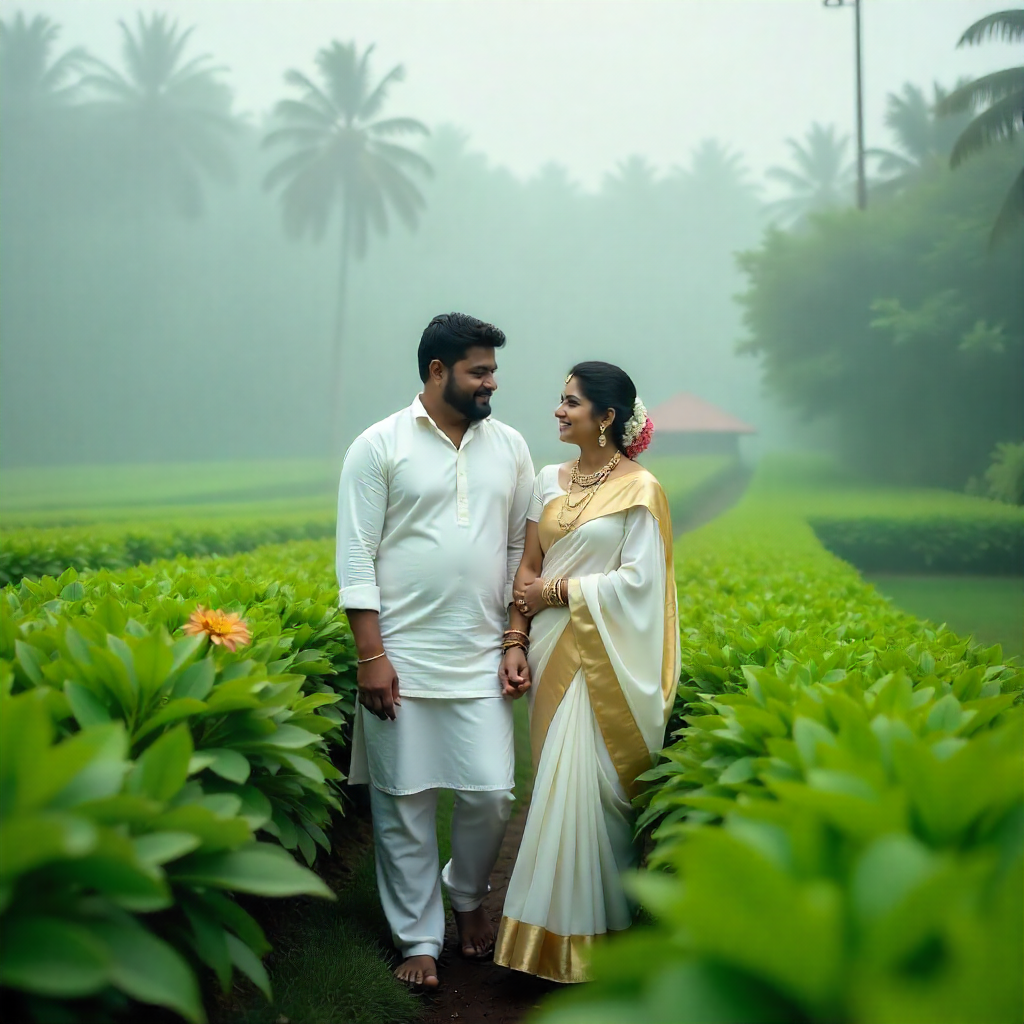
Women wear the Kasavu Saree a white saree with a gold (zari) border and men wear the Mundu, a white dhoti with a matching gold border. The combination is simple, clean, and quietly striking. There's no embroidery, no mirror work, no heavy ornamentation, just the contrast of white fabric and gold thread, and the way that combination looks in temple light or during Onam celebrations.
The Kasavu saree is particularly significant during Onam and temple festivals, where it's worn across communities as a shared symbol of Kerala's cultural identity.
What Is Tamil Nadu Famous for in Traditional Clothing?
If you know one thing about Tamil Nadu's textile heritage, it's probably the Kanchipuram Silk Saree and for good reason.
These sarees are woven in Kanchipuram with pure mulberry silk and real zari (gold or silver thread), producing a fabric with a weight and lustre that's immediately recognisable. The borders are wide, the colours are rich, and the craftsmanship represents generations of weaving tradition concentrated in a single town.
Men wear the Veshti (white dhoti with a coloured border) along with an Angavastram draped across the shoulder, a combination worn at weddings and religious ceremonies that connects directly to Tamil Nadu's long textile history.
A Kanchipuram saree isn't just bought for one occasion. It's passed down. That says everything about its significance.

More Than Fashion: Why Traditional Indian Clothing Still Matters
It's easy to treat traditional clothing as something that belongs to festivals and wedding albums, beautiful, ceremonial, separate from everyday life. But that framing misses something important.
Traditional Indian clothing carries information. The embroidery pattern on a Phulkari dupatta tells you which region of Punjab it came from. The colour of a Rajasthani turban communicates the occasion. The drape of a Nauvari saree carries the history of Maratha women who needed to move freely and fought for the right to do so.
These garments also sustain entire communities. The weavers of Kanchipuram, the embroiderers of Rajasthan, the artisans behind Kasavu borders traditional clothing as their livelihood, and every time these garments are worn and valued, that craft tradition survives another generation.
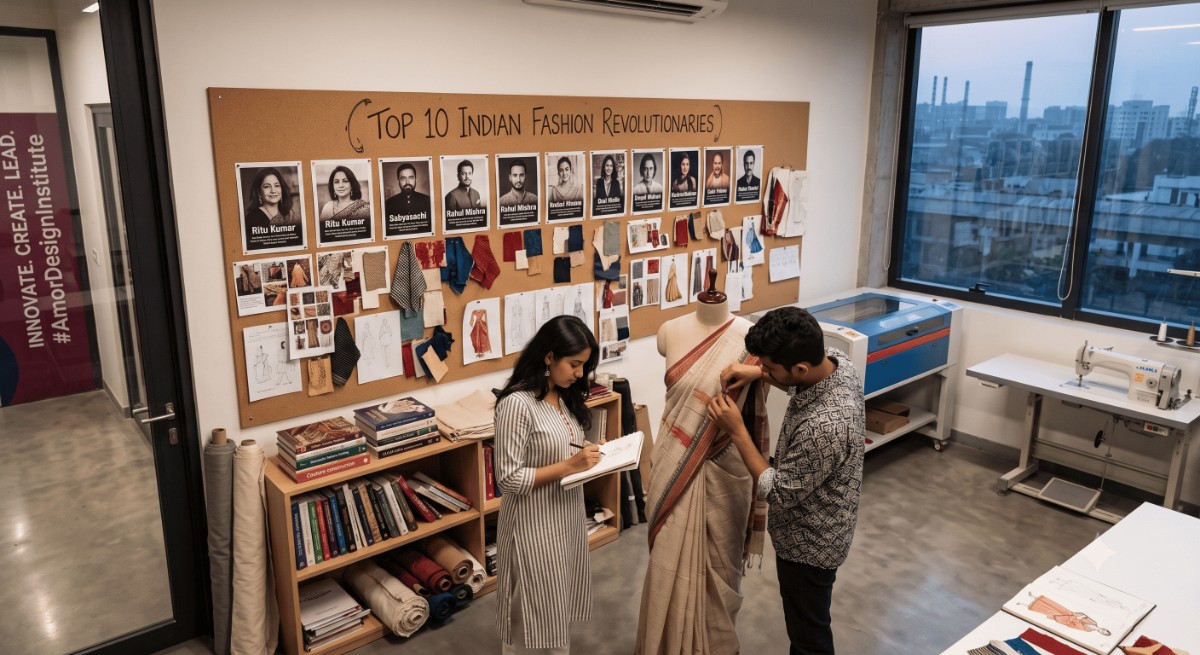
At Amor Design Institute, this is taken seriously. Understanding India's traditional clothing isn't a supplementary lesson, it's central to understanding design, identity, and culture. The same way you can't understand Indian literature without knowing its languages, you can't understand Indian design without knowing what these garments mean and where they come from.
Frequently Asked Questions (FAQs) ❓
What is the most popular traditional attire of India?
The saree is the most widely recognised traditional garment, worn across almost every state in India in different forms. The Kanchipuram, Banarasi, and Kasavu varieties are the most internationally well-known, each representing a distinct regional textile tradition.
What do South Indian men traditionally wear?
Men in South India typically wear the Veshti (Tamil Nadu) or Mundu (Kerala) both variations of the white dhoti, often worn with an Angavastram or a simple shirt. The style of draping and the border design varies between states.
Which Indian state has the most colourful traditional clothing?
Rajasthan and Gujarat are generally considered the most colourful, with their embroidered Ghagra Cholis, Chaniya Cholis, mirror-work detailing, and brightly coloured turbans. Both states have textile traditions built around vivid, expressive colour use.
Do people still wear traditional Indian clothing today?
Yes and more than people outside India often assume. While everyday wear has shifted significantly toward contemporary styles, traditional clothing is actively and proudly worn at festivals, weddings, religious ceremonies, and cultural events. For many families, putting on traditional dress for these occasions is a deliberate act of cultural connection, not just habit.
What is Phulkari embroidery?
Phulkari is a traditional embroidery style from Punjab, worked in silk thread on a cotton or khadi base. The name translates to "flower work," and the technique involves creating dense, geometric floral patterns traditionally in vibrant oranges, reds, and yellows. It's one of Punjab's most recognised craft forms.
What makes Kanchipuram sarees special?
Kanchipuram sarees are woven in the town of Kanchipuram in Tamil Nadu using pure mulberry silk and real zari (gold or silver thread). What distinguishes them is the interlocking of the border and body threads, which means the border won't separate from the saree over time. They're heavy, lustrous, and built to last generations which is why they're so often treated as heirlooms.
Conclusion
India's traditional clothing isn't a relic. It's a living, practised part of how millions of people mark their most important moments: births, marriages, harvests, religious occasions, and the ordinary Tuesday when someone decides to wear something that connects them to where they come from.
Each garment in this guide carries centuries of craft, community, and meaning. The Nauvari saree remembers Maratha warriors. The Kasavu saree anchors Kerala's Onam. The Phulkari dupatta carries Punjab's love of colour and celebration.
At Amor Design Institute, we believe that understanding these traditions isn't separate from becoming a good designer, it is part of becoming one. India's textile heritage is one of the richest in the world. Learning from it, respecting it, and carrying it forward is work worth doing.