How Are Interior Design Institutes Teaching Sustainable Interior Design?
Interior design institutes teach sustainable interior design by integrating eco-friendly materials, energy-efficient planning, waste-reduction strategies, and wellness-focused design principles into their curricula. These programs aim to inspire students and educators by showing how their work can positively impact the environment and human health.

As climate change, resource scarcity, and environmental responsibility become global priorities, interior design has evolved beyond aesthetics. Today, sustainability is a core requirement of professional interior design education, empowering students to lead in green design and feel confident in their industry relevance.
What Is Sustainable Interior Design?
Sustainable interior design is the practice of creating interior spaces that minimise environmental impact while promoting energy efficiency, occupant well-being, and long-term resource conservation.

It focuses on:
- Responsible material selection
- Efficient use of energy and water
- Reduced waste and pollution
- Healthier indoor environments
Interior design institutes teach sustainability as a design philosophy, not a passing trend. Students learn that every design decision from paint selection to lighting layout has ecological responsibility, fostering a sense of duty and pride in their work.
Key concepts taught include:
- Carbon footprint
- Embodied energy
- Life-cycle assessment of materials
This foundation enables future designers to make informed, environmentally responsible choices throughout their careers.
Why Is Sustainability Important in Interior Design Education?
Sustainability is essential in interior design education because buildings and interiors significantly contribute to energy consumption, material waste, and carbon emissions.
Design education now reflects real-world demands where:
- Governments enforce green building regulations
- Developers prioritise sustainable projects
- Clients expect eco-conscious design solutions
By embedding sustainability into education, institutes ensure graduates are prepared to meet environmental regulations, industry standards, and ethical responsibilities.
How Is Sustainability Integrated Into Interior Design Curriculums?
Interior design institutes integrate sustainability across all subjects instead of treating it as a standalone topic, ensuring students are industry-ready by applying eco-friendly thinking at every design stage in accordance with standards like LEED, BREEAM, and IGBC.
This approach ensures students apply eco-friendly thinking to every design stage.
Examples of Green Curriculum Integration
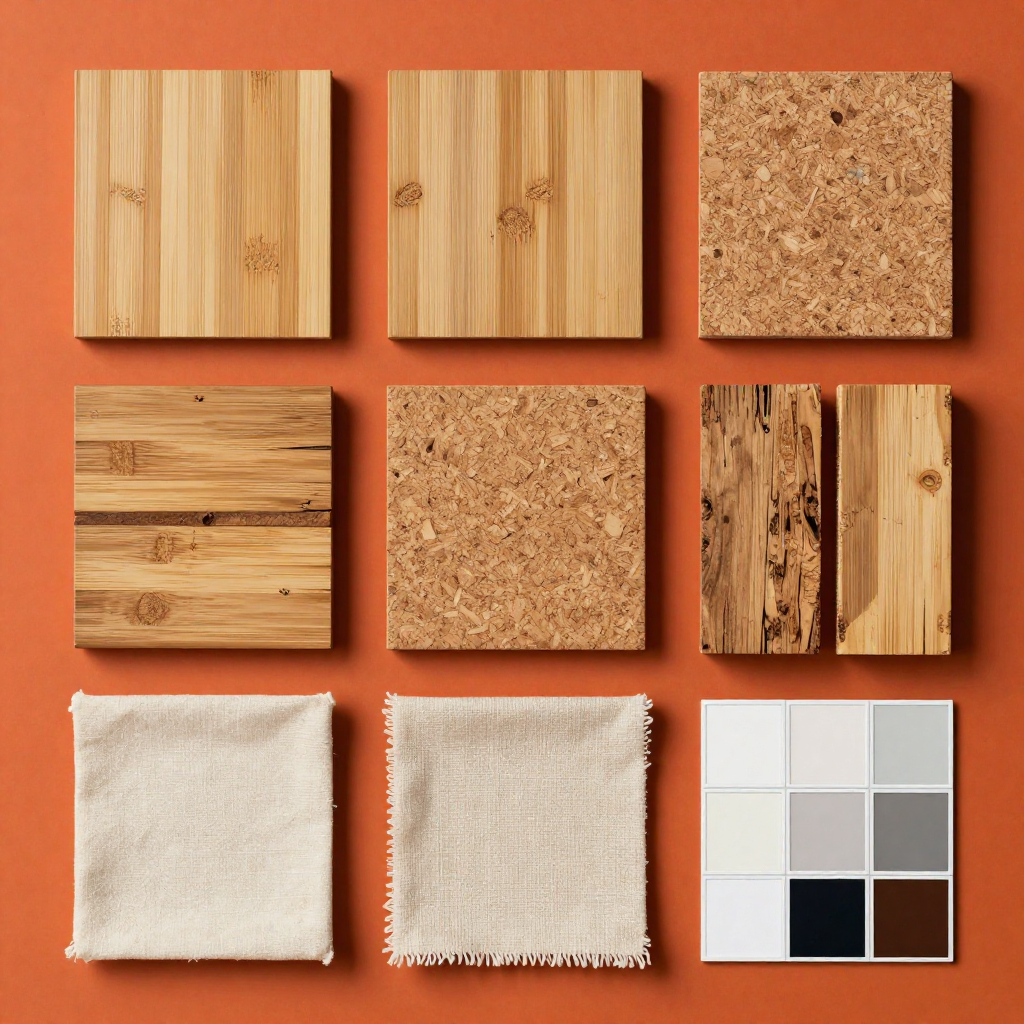
- Material Studies:
Focus on recycled, renewable, low-VOC, and locally sourced materials
- Lighting Design:
Emphasis on LED lighting, daylight optimisation, and energy efficiency

- Space Planning:
Includes passive ventilation, daylighting, and heat-reduction strategies
- Building Systems:
Covers energy conservation, insulation, and sustainable HVAC design
Students also learn to design in accordance with green building standards such as LEED, BREEAM, and IGBC, making them industry-ready.
How Do Interior Design Institutes Provide Hands-On Sustainability Training?
Institutes provide hands-on sustainability training through real-world projects that simulate environmental, budgetary, and spatial constraints.

Common student projects include:
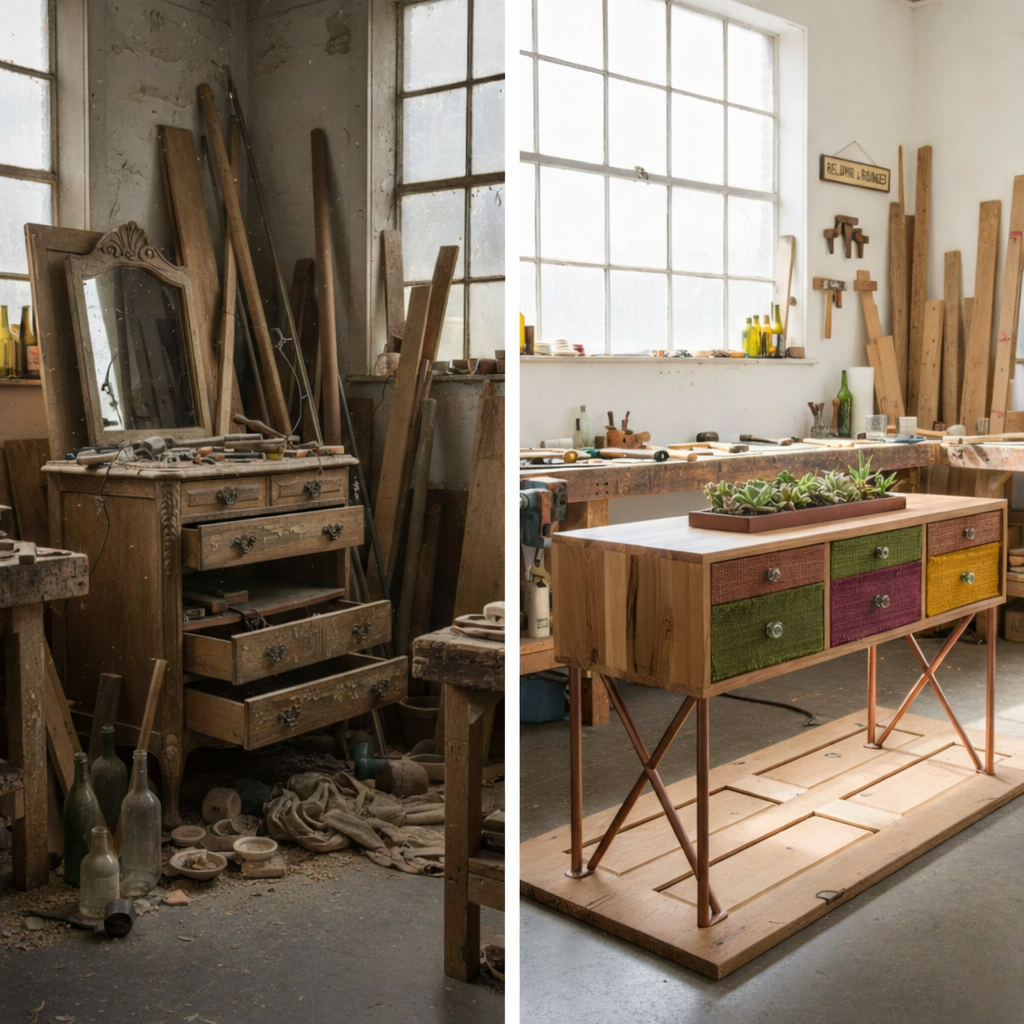
- Sustainable home redesigns using upcycled furniture
- Energy-efficient office interiors
- Community spaces incorporating green public areas
Many institutes collaborate with:
- NGOs
- Architecture firms
- Sustainability councils
These partnerships allow students to work on live projects with measurable environmental impact, bridging the gap between theory and practice.
What Sustainable Materials Are Taught in Interior Design Courses?
Interior design students are trained to evaluate and use sustainable materials based on environmental impact, durability, and end-of-life recyclability.
Students analyse materials based on:
- Source: Renewable or responsibly extracted
- Durability: Longevity and maintenance needs
- End-of-Life: Recyclable, reusable, or biodegradable
Common Sustainable Materials Taught
- Bamboo
- Cork
- Hemp
- Reclaimed wood
- Low-VOC and eco-friendly paints
- Organic and natural fabrics
These materials help students balance aesthetics, performance, and environmental responsibility.
How Do Design Schools Teach Energy-Efficient Interior Design?
Energy efficiency is a core pillar of sustainable interior design education.
Institutes train students to design interiors that:
- Maximise natural daylight
- Improve airflow and ventilation
- Reduce heat gain and energy loss
Key Energy-Efficient Design Concepts Taught
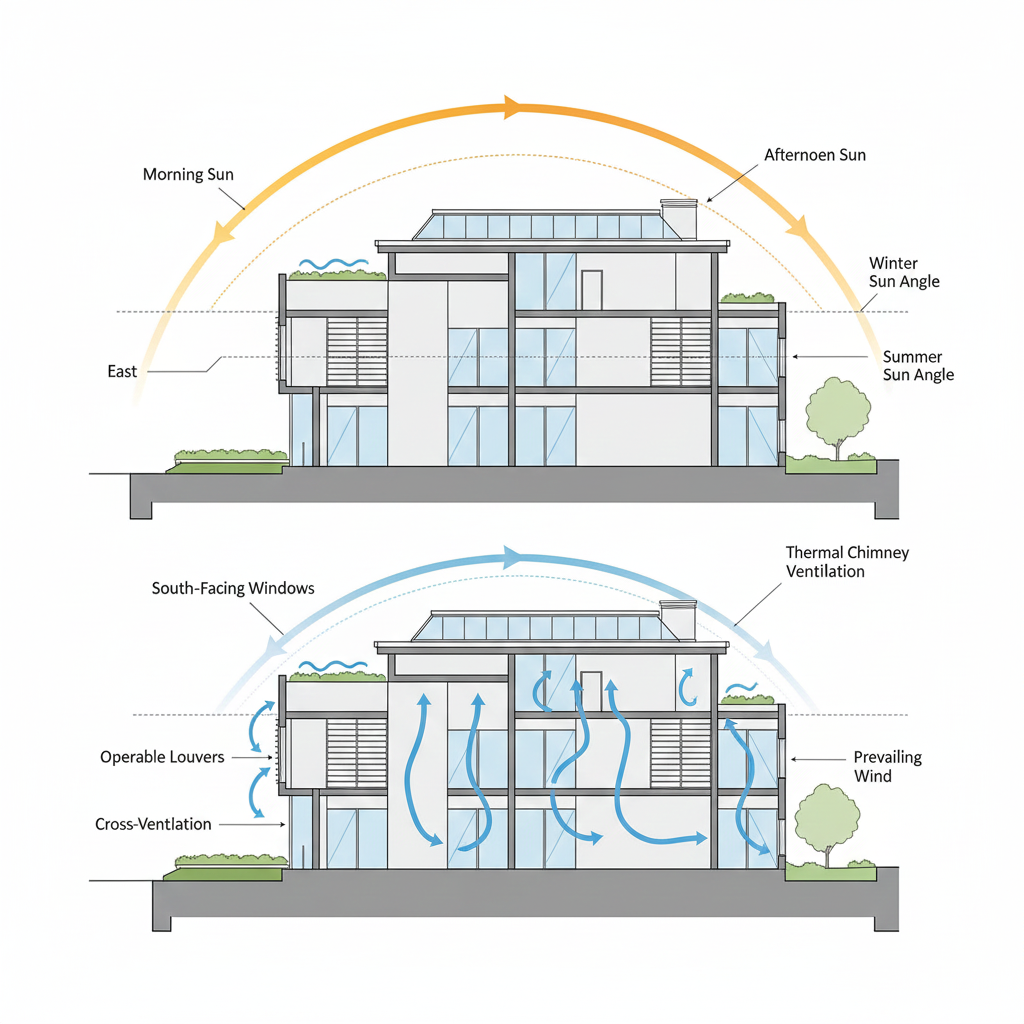
- Passive solar design: Optimising orientation and window placement
- Intelligent lighting systems: Automated and sensor-based lighting
- Sustainable HVAC design: Natural ventilation and thermal insulation
Students also use simulation software to measure energy usage before construction, allowing them to design performance-driven interiors.
How Do Interior Design Institutes Teach Waste Reduction and Upcycling?
Waste reduction and upcycling are taught as creative design opportunities rather than limitations. Institutes encourage students to reuse materials and reduce landfill waste through innovative design solutions.
Examples of Upcycling Projects
- Old wooden doors converted into coffee tables
- Glass bottles transformed into decorative lighting
- Textile scraps repurposed as wall art or furnishings
This approach supports the circular design economy, teaching students to design responsibly while maintaining creativity.
How Does Sustainable Interior Design Improve Mental and Physical Well-Being?
Sustainable interior design improves well-being by creating healthier indoor environments that support physical and mental health.
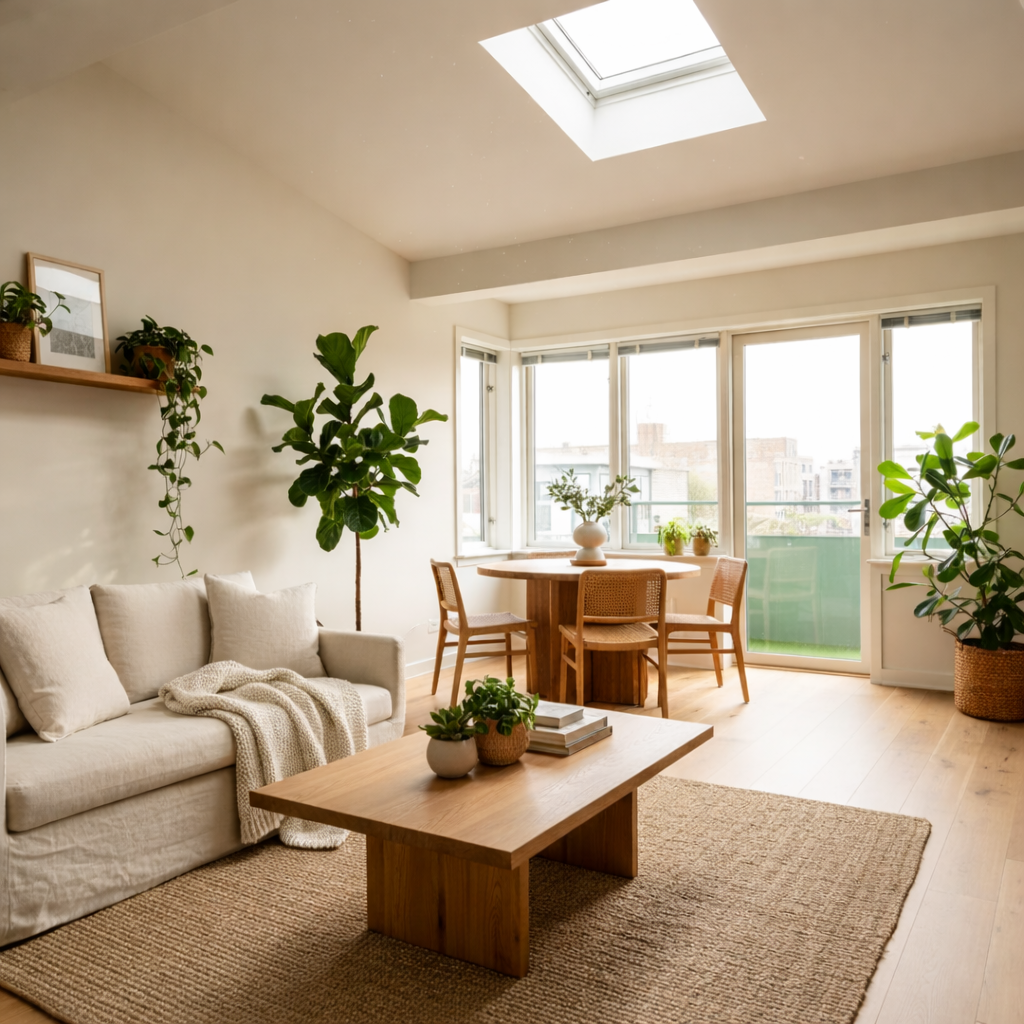
Design institutes teach biophilic design, which connects occupants with nature through:
- Natural lighting
- Indoor greenery
- Organic materials
- Improved ventilation
Benefits of Wellness-Focused Design
- Better indoor air quality
- Reduced stress levels
- Improved focus and productivity
- Enhanced comfort and happiness
This ensures sustainability benefits both the planet and the people using the space.
How Industry Partnerships Power Sustainable Interior Design Education?
Industry partnerships help interior design institutes stay aligned with evolving sustainability standards and technologies.

Through collaborations with:
- Green builders
- Sustainability consultants
- Industry experts
Students gain exposure to:
- Net-zero buildings
- Zero-waste design
- Smart and energy-efficient homes
Workshops, guest lectures, and certifications (such as LEED accreditation) give students a competitive advantage in the sustainable design industry.
How Are Interior Design Institutes Preparing Designers for a Greener Future?
Interior design institutes prepare students for a greener future by combining technical expertise with environmental responsibility.
Graduates leave with:
- Practical green design skills
- Knowledge of global sustainability standards
- A strong ethical mindset
As sustainability becomes a necessity rather than an option, these designers are equipped to lead environmentally responsible projects across residential, commercial, and public spaces.
Conclusion: The Future of Interior Design Is Sustainable
Interior design institutes play a critical role in shaping a sustainable future. By embedding eco-friendly principles into education, they are producing designers who value both beauty and environmental integrity.
Through sustainable interior design education, students learn to create spaces that balance creativity, comfort, and conservation proving that exceptional design does not have to come at the expense of the environment.