Here's a question nobody asks you often enough when you're studying fashion design: which world do you actually want to work in?
It sounds simple. But the gap between luxury fashion and fast fashion isn't just a gap in price tags. It's a gap in philosophy, production timelines, creative process, supply chain ethics, customer psychology, career trajectories, and the kind of designer you'll become. The two industries operate on fundamentally different logics. And if you're going to build a serious career in fashion, you need to understand both of them clearly, not as abstract concepts, but as real working environments with real demands.
This isn't a debate about which one is better. It's a map of what each world actually looks like from the inside, what the industry is going through right now, what it means for someone designing clothes in 2026, and what it means for someone in Ahmedabad deciding what kind of fashion career to build.
Let's go through it properly.
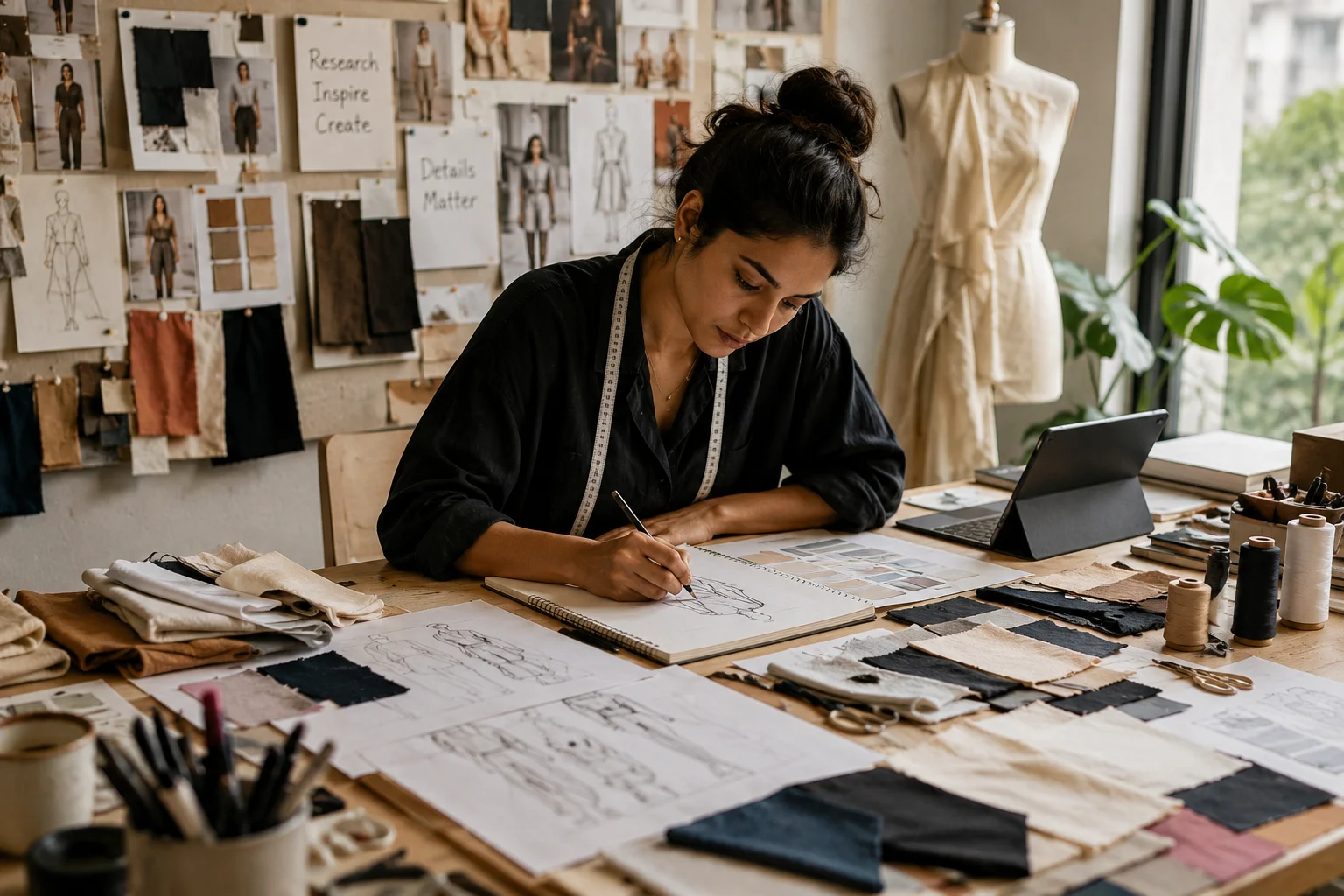
First, Let's Define the Terms Properly
Both "luxury fashion" and "fast fashion" get used loosely, so it's worth being precise before going further.
What Luxury Fashion Actually Means
Luxury fashion isn't just expensive fashion. The price is a consequence of what the brand actually does, not the definition of it. True luxury fashion is defined by: exceptional craftsmanship and materials, controlled production with limited volumes, brand heritage and narrative, exclusivity as a deliberate strategy, and a customer relationship built on aspiration and identity rather than price-to-value. Think Chanel, Hermès, Louis Vuitton, Sabyasachi, Tarun Tahiliani. These brands don't compete on price. They compete on meaning.
What Fast Fashion Actually Means
Fast fashion is a business model built on speed and volume. The core idea: identify trends quickly, produce cheaply, sell at accessible prices, move to the next trend. The cycle that used to take months now takes days. Brands like Zara, H&M, Shein, Meesho, and dozens of Indian D2C labels operate in this space. The designer's job in fast fashion is fundamentally different from luxury: you're solving a commercial problem at scale, not crafting a singular vision.
And Then There's Everything in Between
The fashion world doesn't divide neatly into two camps. Between mass-market fast fashion and true luxury, there are premium brands, contemporary labels, sustainable fashion brands, and indie designers operating at various price and volume points. Understanding the full spectrum, not just the two extremes, is what makes you genuinely useful to the industry.
The Two Models, Side by Side
Before going deeper, here's a clear comparison of how the two models actually operate across the metrics that matter to a working designer:
The State of Luxury Fashion in 2026: What's Actually Happening
The global luxury market has been through genuine turbulence recently, and the picture in 2026 is more nuanced than the headlines suggest. Understanding this is important if you're considering a career in the premium end of the industry.
The Post-Pandemic Luxury Surge Is Moderating
The 2021 to 2023 luxury boom, driven by pent-up spending and a wave of aspirational purchasing as the world reopened, has cooled. Major global luxury groups have reported slower growth. Consumers who stretched into luxury purchases during that period are pulling back. The brands doing well right now are the ones with the deepest heritage and the strongest emotional connection to their customers. The brands struggling are those that chased volume and ended up diluting their exclusivity.
Indian Luxury Is a Different Story
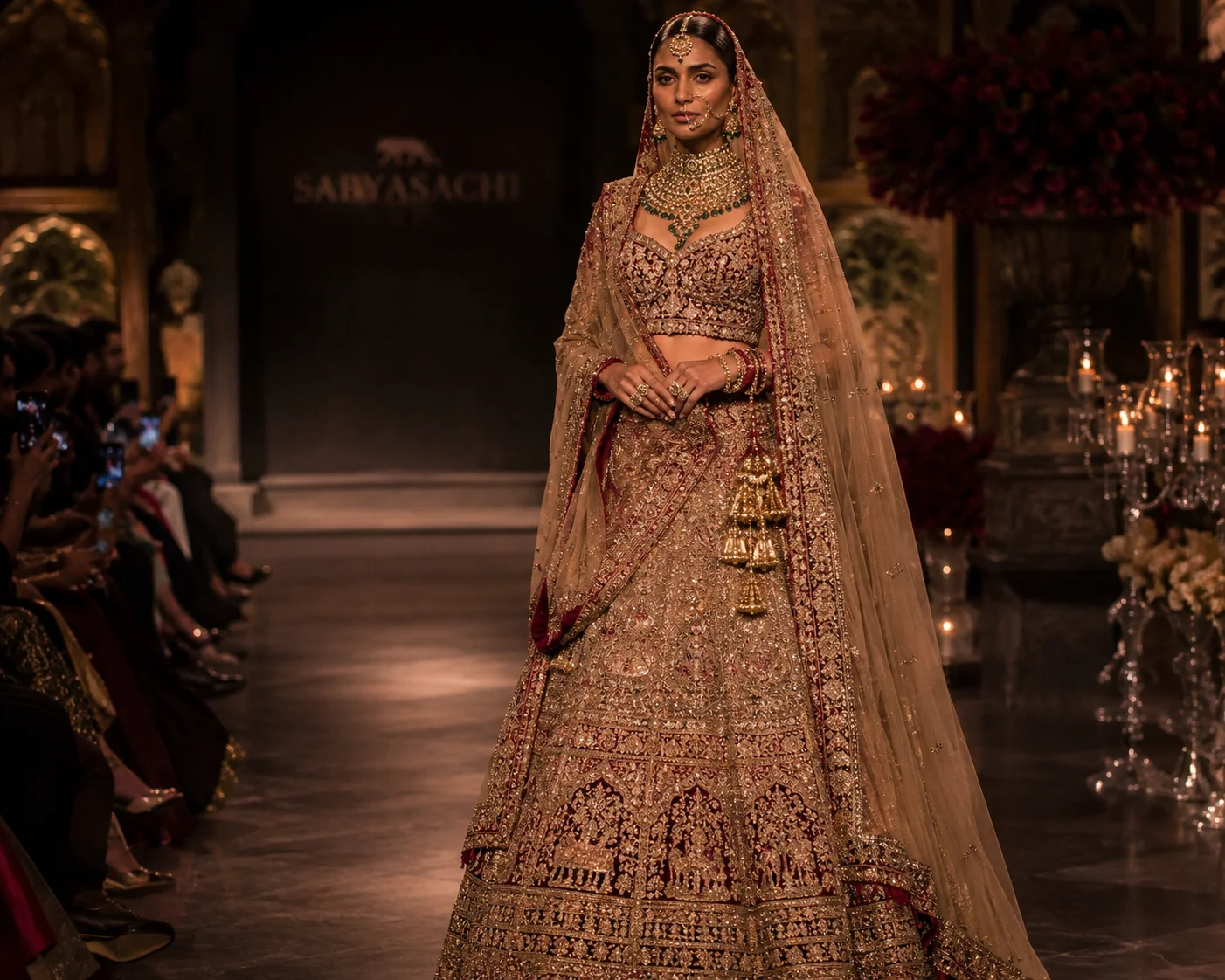
While global luxury moderates, India's luxury fashion market is growing. Rising HNI and UHNI populations, the extraordinary scale of Indian wedding spending, and a growing appetite for homegrown luxury labels have created genuine momentum. Sabyasachi's expansion, the growth of designers like Rahul Mishra into international markets, and the increasing presence of global luxury brands in Indian tier-1 cities all point to a market that's developing fast. For a fashion designer trained in India with strong craft knowledge, this is a real opportunity.
Craftsmanship Is Having a Moment
One of the most important trends in global luxury right now is a revaluation of craft. Consumers, particularly younger ones who've grown up with fast fashion and become disillusioned with it, are actively seeking products made with skill and intention. Indian craft traditions, Banarasi weaving, Kantha embroidery, Phulkari, Ajrakh, block printing, are increasingly valued by both domestic and international luxury consumers. Designers who understand Indian craft at a technical and cultural level are sitting on an asset the global market is genuinely interested in.
The Quiet Luxury Shift
The visual language of luxury has changed. The logo-heavy maximalism that defined the 2010s has given way to what the industry calls quiet luxury: understated quality, refined materials, subtle design. This shift has design implications. It requires a different skill set, an understanding of fabric hand, construction quality, tailoring precision, and restraint rather than decoration. It's harder to do well than it looks.
The State of Fast Fashion in 2026: The Real Picture
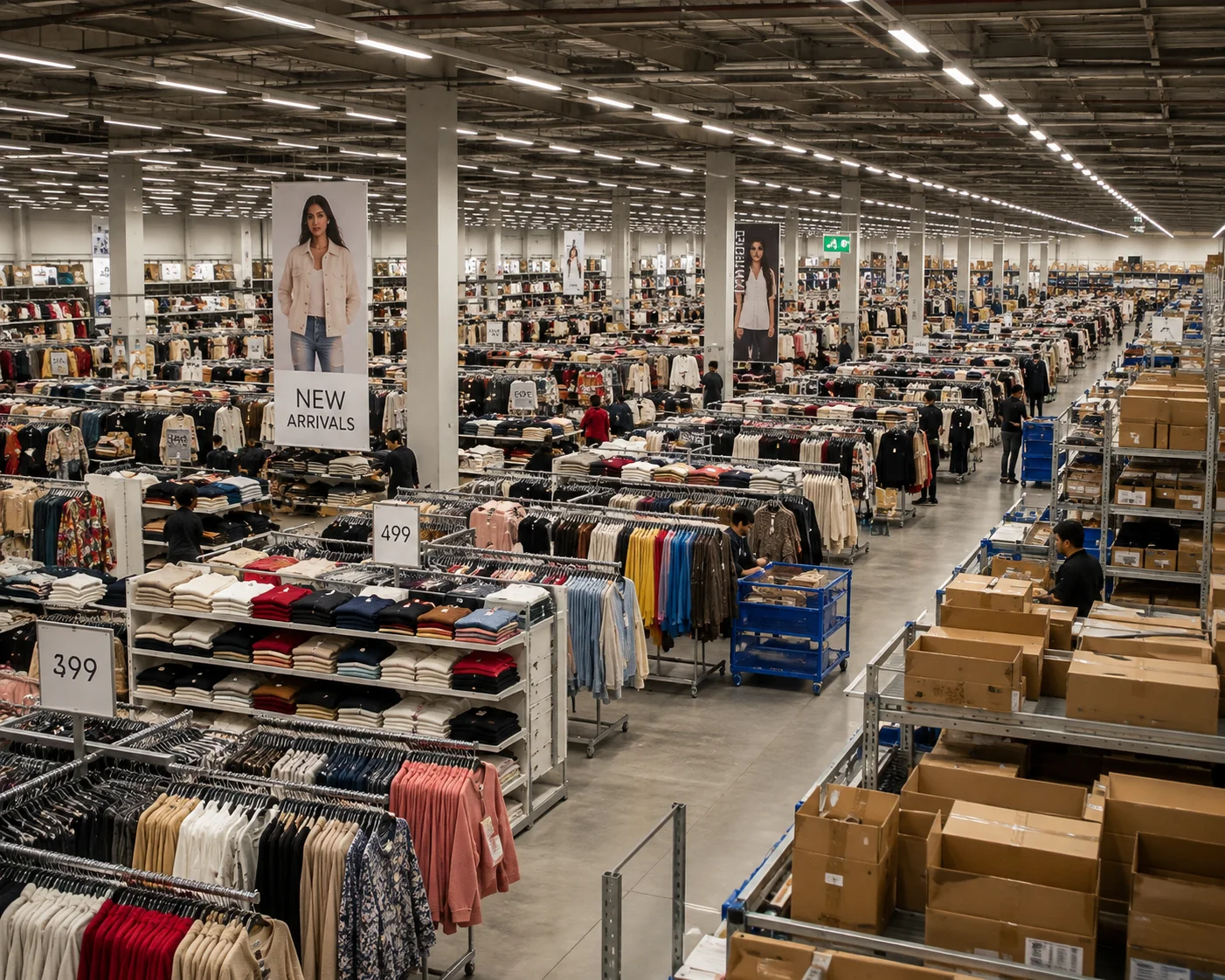
Fast fashion is simultaneously the most commercially successful and the most scrutinised sector in the global fashion industry right now. Here's what's actually happening:
The Scale Is Staggering, and So Is the Pressure
Shein produces an estimated 6,000 new styles per day. That number isn't a typo. The volume of clothing being produced globally under the fast fashion model has no historical precedent. And the environmental and labour consequences of that volume are increasingly visible, increasingly documented, and increasingly regulated. The EU has introduced legislation that will dramatically affect fast fashion brands operating in Europe. India is beginning similar conversations.
The Consumer Is Changing
A meaningful segment of consumers, particularly younger urban buyers who grew up with social media and have watched the documented consequences of fast fashion, are shifting their purchasing behaviour. Secondhand fashion platforms are growing fast. Rental fashion is emerging. The impulse-buy model that fast fashion depends on is under genuine pressure from a more conscious consumer base. This doesn't mean fast fashion is dying. It means the brands that survive will need to adapt.
The Indian Fast Fashion Opportunity Is Still Huge
None of the above changes the fact that for the majority of India's billion-plus population, fast fashion is the primary way they access clothing. Price sensitivity is real, the desire to look current is real, and the market for affordable, trend-responsive clothing is growing rapidly as internet access and disposable income expand into smaller cities and towns. This market needs designers. The work is commercially demanding, but the scale of the opportunity is enormous.
The Business Model Is Under Stress
Rising raw material costs, supply chain disruptions, growing regulatory pressure, and a more vocal consumer consciousness are all squeezing the fast fashion margin. The brands navigating this most successfully are those that are investing in better production practices, building stronger brand identity, and moving away from pure price competition. These shifts are creating demand for designers who can think beyond the next trend.
What This Means for Your Career: The Honest Map
Here's what different paths in fashion actually look like in terms of day-to-day work, career progression, and earnings. This is based on real industry data, not aspirational brochure figures:
The salary ranges tell an important story. Senior luxury designers and senior fast fashion designers can earn similar amounts. But the path to getting there is completely different. In luxury, the investment is in depth: deep craft knowledge, a strong portfolio, a distinctive design voice. In fast fashion, the investment is in speed, commercial instinct, and the ability to produce at volume under pressure. Both are legitimate. Both require genuine skill. They're just different skills.
The Skills That Cross Both Worlds
Here's something worth knowing: the best designers in the industry are the ones who understand both worlds, even if they work primarily in one. There's a set of skills that make you valuable whether you end up in a luxury atelier or a fast-fashion design room:
- Fabric and material knowledge: Luxury designers need it to work with premium textiles. Fast fashion designers need it to make cost-optimised choices without sacrificing too much quality. Either way, understanding how fabric behaves, drapes, wears, and washes is non-negotiable.
- Pattern making and construction: The technical foundation that separates designers who can sketch from designers who can actually build garments. Luxury fashion demands exceptional construction. Fast fashion demands efficient construction. Both demand that you actually know what you're doing.
- Trend reading and cultural awareness: Luxury designers track where culture is going so their collections feel relevant. Fast fashion designers track it to move fast. The underlying skill, reading signals in culture and translating them into design decisions, is the same.
- Visual storytelling: Whether you're presenting a couture collection concept or pitching a fast fashion range to a buying team, the ability to communicate your ideas visually and compellingly is essential. This is what a strong portfolio demonstrates.
- Commercial thinking: How much does this cost to make? What can it sell for? What's the margin? These questions matter in both worlds. In luxury, the margins are larger but the volumes are smaller. In fast fashion, thin margins require volume. Either way, a designer who understands the commercial logic of their decisions is far more valuable than one who doesn't.
- Sustainability literacy: This is becoming non-negotiable across the entire spectrum. Understanding sustainable materials, responsible sourcing, circular design principles, and the environmental cost of production decisions is increasingly expected of designers at every level.
The India-Specific Angle: What This Debate Looks Like From Gujarat
The luxury versus fast fashion conversation looks different from Ahmedabad than it does from Mumbai or Delhi, and different again from Paris or Milan. Here's what's specific to the Gujarat context:
Gujarat Sits at the Intersection of Both Worlds
Surat produces the synthetic fabrics that power India's fast fashion industry. Ahmedabad's textile mills supply premium cotton and denim to brands across the spectrum. The state has craft traditions that genuine luxury brands are actively courting. And Gujarat's entrepreneurial culture means there are fashion founders operating at every point along the luxury-to-fast-fashion spectrum. As a designer trained here, you're not isolated from either world. You're sitting in the middle of both.
The Bridal Market Is Its Own Category
Gujarat's wedding fashion economy operates by different rules than either fast fashion or conventional luxury. It's high-spend, highly personalised, culturally specific, and seasonal in its own way. Navratri, Diwali, and wedding season create demand patterns that don't map neatly onto either model. Designers who understand this market and can serve it well are building very good businesses without needing to choose between the luxury and fast fashion labels.
The D2C Opportunity in Gujarat
Gujarat's combination of manufacturing infrastructure, entrepreneurial culture, and growing digital commerce penetration makes it one of the best places in India to build a direct-to-consumer fashion brand. Several Gujarat-based D2C labels are doing significant volume on Myntra, Instagram, and their own platforms. These brands are neither pure luxury nor traditional fast fashion. They occupy a premium-accessible middle ground that's growing fast. This is a real career opportunity for graduates who can combine design skill with business thinking.
Craft and Heritage as Competitive Advantage
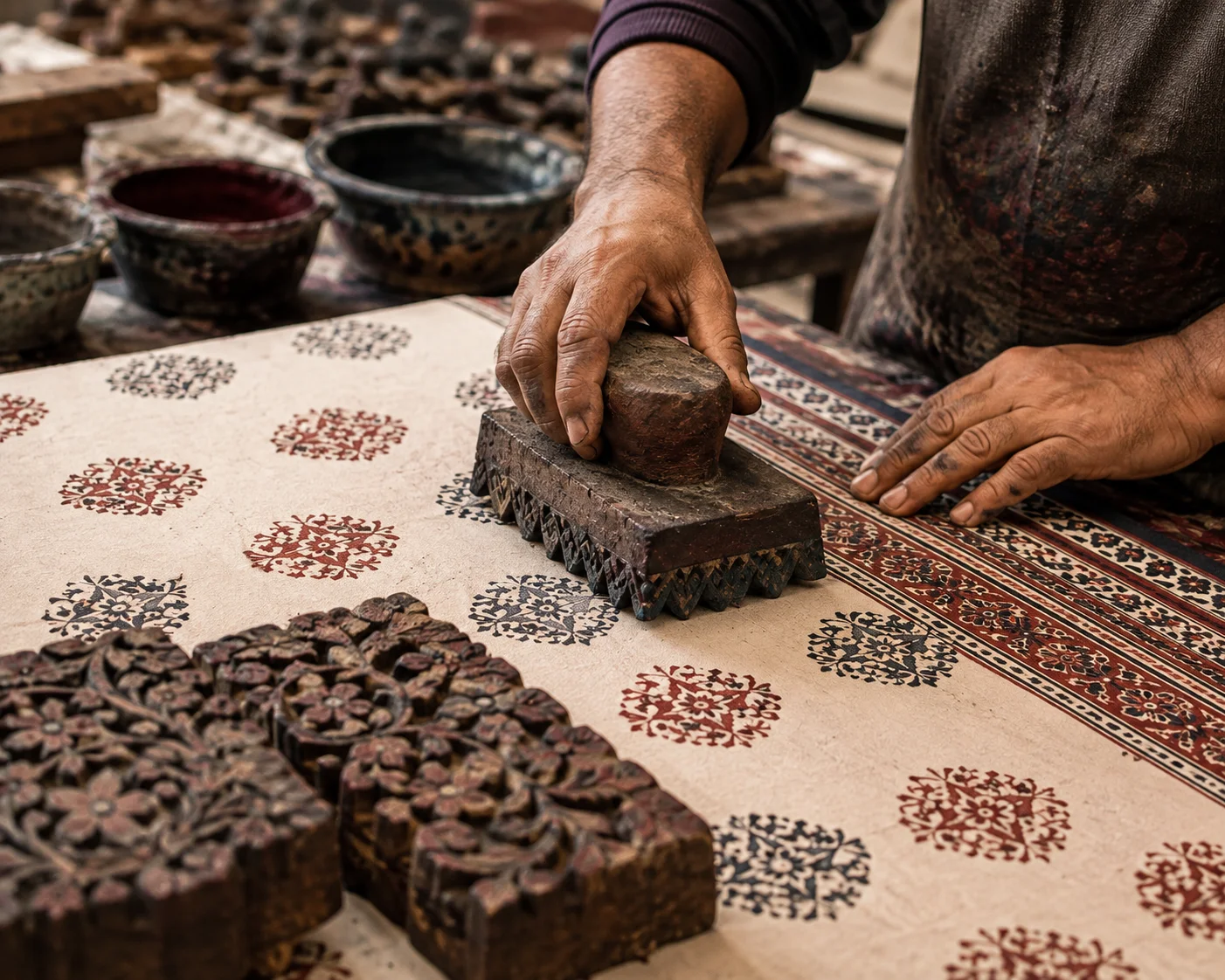
If there's one thing Gujarat-based designers have that designers from most other places don't, it's immediate, affordable access to India's richest textile and craft traditions. Ajrakh printing, Patola weaving, Bandhani dyeing, Kutch embroidery. These aren't just aesthetic references. They're design assets that global luxury consumers are increasingly willing to pay premium prices for. A designer who can work authentically with these traditions and present them to contemporary audiences is not competing with the rest of the market. They're operating in a category of their own.
Sustainability: Fast Fashion vs Luxury Fashion
You can't have an honest conversation about luxury versus fast fashion in 2026 without talking about sustainability. It's not a trend. It's a structural shift in what the industry is being required to do, by consumers, by regulators, and by the basic arithmetic of a planet with finite resources.
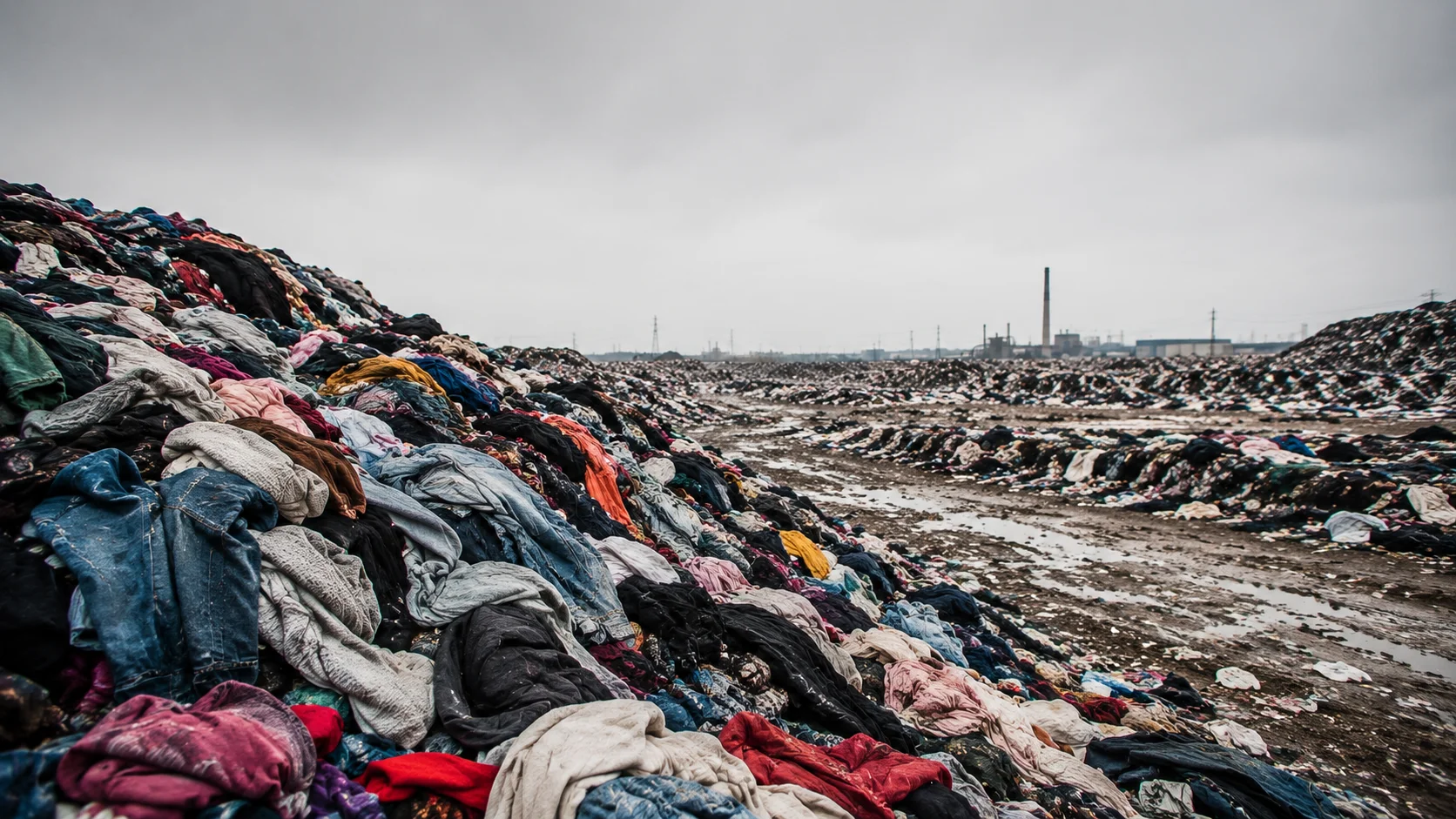
Fast Fashion's Environmental Cost Is Documented and Serious
The fashion industry is responsible for approximately 10% of global carbon emissions and is one of the largest consumers of fresh water globally. Fast fashion's contribution to that figure, through overproduction, synthetic material pollution, and waste, is disproportionate. These facts are increasingly known by consumers and increasingly visible to regulators. Brands that don't have credible answers to questions about their environmental impact are going to face growing commercial and regulatory pressure.
Luxury Fashion Is Not Automatically Sustainable
It's tempting to assume that because luxury produces less volume, it's automatically more sustainable. It's not that simple. Some luxury production involves rare materials with significant extraction costs. Some heritage craft practices involve chemical processes that are environmentally harmful. The luxury brands doing sustainability seriously are the ones investing in traceability, responsible materials sourcing, and artisan community development. The ones using sustainability as a marketing narrative without substance are increasingly being called out.
The Designers Who Are Getting This Right
The fashion designers and brands that are genuinely navigating the sustainability question well tend to share a few characteristics: they know where their materials come from and can explain it, they design for longevity rather than disposability, they have relationships with their makers rather than purely transactional supplier relationships, and they're honest about where they still have work to do. This combination of transparency and intentionality is increasingly what discerning consumers and premium buyers are looking for.
What This Means If You're Training Now
If you're studying fashion design in 2026, sustainability can't be an elective. Understanding eco-friendly fabrics, responsible sourcing, circular design principles, and the environmental and social cost of production decisions are skills that are going to be required, not optional, within the span of your career. The designers who build this knowledge now will have a significant advantage over those who treat it as someone else's problem.
How Amor Design Institute Prepares You for Both Worlds
A fashion education in 2026 should prepare you for the full spectrum of the industry, not just one end of it. Here's how ADI's curriculum, culture, and connections actually do that:
The Curriculum Is Built Around Real Industry Demands
ADI's 2-year Advanced Diploma covers pattern making, draping, fabric technology, fashion marketing, branding, and garment production. These aren't separate silos. They're taught in the context of how real fashion businesses actually operate. You learn what it means to design a luxury bridal lehenga with specific craft techniques and what it means to design a commercial kurta range for an e-commerce brand. Both are real exercises. Both build real skills.
Faculty Who've Worked in the Industry
ADI's teachers are alumni of NIFT and CEPT University with real industry experience. The difference between learning from someone who has worked in a design room and someone who hasn't shows up immediately in the quality of feedback. When your faculty has navigated real commercial briefs, real supplier relationships, and real production constraints, the guidance they give you is grounded in something. That grounding matters.
Amor Rasa Teaches You to Think at the Luxury End
ADI's annual Amor Rasa runway showcase is where students design and present complete theme-based collections with professional models to a real audience. The level of thinking required for that exercise, concept development, collection cohesion, material curation, presentation, is the same thinking that luxury fashion demands. Graduating with documented runway experience in your portfolio is a meaningful differentiator when you're sitting across from a recruiter at a premium brand or pitching your first collection to buyers.
The IMB Milan Certification Opens International Doors
Since 2023, ADI has been a partner of Istituto di Moda Burgo in Milan, one of Italy's oldest fashion education institutions. The international diploma you graduate matters specifically in the luxury and premium fashion space, where global perspective and international credentials carry real weight. If your career ambitions include premium Indian brands, export-facing companies, or eventually exploring opportunities abroad, that credential is genuinely useful.
The Business Modules Prepare You for the Commercial Realities
Fashion marketing, branding, merchandising, and costing are part of ADI's core curriculum. This matters because the most common reason talented designers struggle, whether in luxury or fast fashion, is that they treat the commercial side of the business as someone else's problem. Understanding how margins work, how to cost a collection, how to build a brand, and how to get your work in front of the right buyers are skills that determine whether a design career becomes a business or stays a portfolio.
Honest Answers to Questions Future Designers Ask
Q: Should I specialise in luxury or fast fashion when I'm starting out?
Build your core skills first before narrowing. In your first two to three years, the most valuable thing you can do is develop deep technical competence, a strong portfolio, and genuine understanding of how fashion businesses actually work. Once you have that foundation, specialisation becomes a meaningful choice rather than a limitation. The designers who lock themselves into one corner of the market too early often find they've closed off options before they understood what was available to them.
Q: Is fast fashion a dead end given the sustainability pressure?
No. Fast fashion is under pressure to reform, and it is reforming, slowly and unevenly, but genuinely. The sector isn't disappearing. It's changing. Designers who can help fast fashion brands make more responsible choices, design for longer product life, work with better materials, reduce waste in production, are going to be increasingly valuable within that world. The death of fast fashion has been announced many times. What's more accurate is that it's being forced to evolve.
Q: Can I build a luxury brand if I'm starting out in Gujarat?
Yes, and Gujarat specifically gives you advantages most designers in other cities don't have. Direct access to premium craft traditions, proximity to textile manufacturing, lower sourcing costs than Mumbai or Delhi, and an entrepreneurial business culture that knows how to support small manufacturers are all real assets. Several ADI alumni have built premium and luxury-adjacent labels from Ahmedabad. It requires patience, craft investment, and business discipline. But the infrastructure to do it is genuinely here.
Q: How important is sustainability knowledge for getting hired?
Increasingly important, and not just in the obvious sustainable fashion brands. Major fast fashion retailers are under pressure to demonstrate progress on sustainability metrics. Luxury brands are competing on ethical provenance. Export houses are responding to buyer requirements from European and American markets that have regulatory and consumer-driven sustainability expectations. Sustainability literacy is becoming a baseline expectation across the industry, not a specialist niche.
Q: What's the difference between what luxury brands and fast fashion brands look for when hiring junior designers?
Luxury brands want to see evidence of craft, depth of concept, and a strong design voice. Your portfolio should show that you can think at the level of a collection, not just individual pieces, and that you understand materials and construction at a technical level. Fast fashion brands want to see speed, commercial instinct, and the ability to translate trends into producible garments quickly. Strong CAD skills, knowledge of production constraints, and evidence of working under commercial briefs are what they're looking for. The Amor Rasa collection and ADI's live industry projects give you portfolio material that speaks to both.
Q: Where do I go if I want to start in premium rather than luxury or fast fashion?
Premium and contemporary fashion brands, think well-established Indian labels with design integrity and commercial scale, are often the best first employers for graduates with strong design education. They offer real creative work without the extreme pace of fast fashion or the very slow movement of true luxury houses. Many of the most interesting fashion careers in India right now are being built in this middle space. ADI's placement network includes connections across this spectrum.
The Mindset That Will Serve You in Either World
Here's something that gets lost in the luxury-versus-fast-fashion debate: the designers doing best right now aren't the ones who picked the right side. They're the ones who thought seriously about what they were trying to do and built the skills, the knowledge, and the portfolio to do it well.
The fashion industry is going through genuine disruption. Consumer behaviour is changing. Sustainability pressures are real. Technology is changing how clothes are designed, produced, and distributed. OTT and social media have democratised fashion influence in ways that no one fully anticipated. The middle ground between luxury and fast fashion is becoming more interesting and more commercially viable, not less.
In this environment, the thing that will separate good designers from great ones is the same thing it's always been: a genuine understanding of craft, a clear design voice, the commercial literacy to run a sustainable career or business, and the curiosity to keep learning as the industry keeps changing.
That's not a luxury skill or a fast fashion skill. It's a designer skill. And it's what a serious fashion education is supposed to give you.
Ready to Build a Fashion Career That Understands the Whole Industry?
Amor Design Institute's 2-year Advanced Diploma gives you the craft foundation, commercial thinking, and portfolio depth to compete in any part of the fashion industry. The IMB Milan international certification, the Amor Rasa runway experience, NIFT and CEPT-qualified faculty, and 25+ years of industry placement connections mean you're not just learning fashion. You're being prepared for a real career in it.
Admissions for 2026 are open. Visit www.amordesign.org or call +91 90236 55176. If the course you're considering fills up fast, don't wait.
To Sum It Up
- Luxury fashion and fast fashion aren't just different price points. They're different philosophies, different production systems, and different career tracks with different skill demands.
- Luxury fashion in India is growing even as global luxury moderates. Indian craft traditions, bridal wear, and rising HNI spending are driving genuine opportunity for designers with depth.
- Fast fashion is under sustainability pressure but is reforming, not disappearing. Designers who understand responsible production within commercial constraints will be increasingly valuable.
- The skills that cross both worlds, fabric knowledge, pattern making, trend reading, visual storytelling, commercial thinking, and sustainability literacy, are what a serious fashion education should build.
- Gujarat's position at the intersection of textile manufacturing, craft heritage, and entrepreneurial culture makes it a genuinely strong base for careers and businesses across the fashion spectrum.
- ADI's curriculum, faculty, Amor Rasa runway showcase, IMB Milan certification, and placement network prepare graduates for the full breadth of the industry, not just one corner of it.
- Admissions for 2026 are open at www.amordesign.org. Call +91 90236 55176 to find out more.