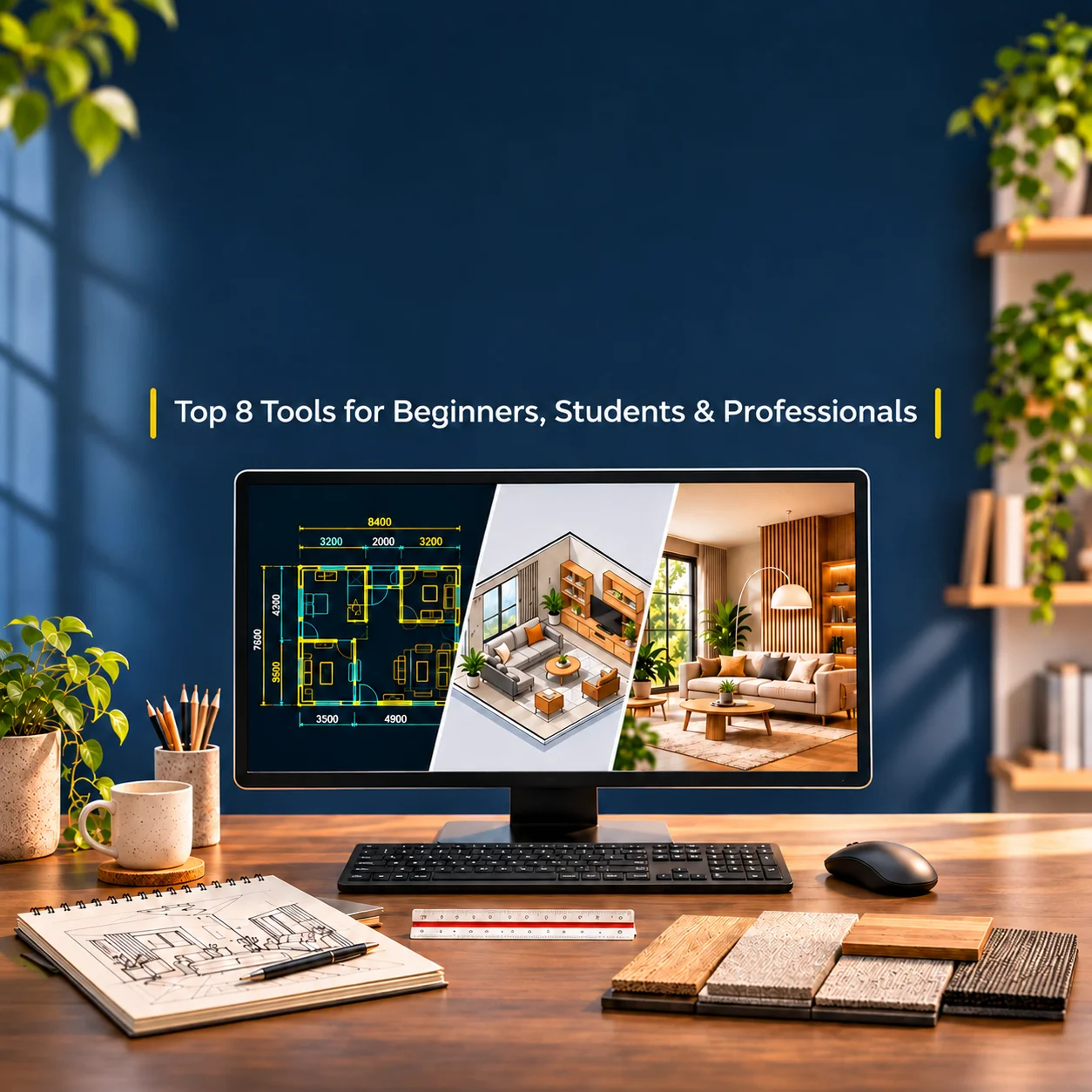
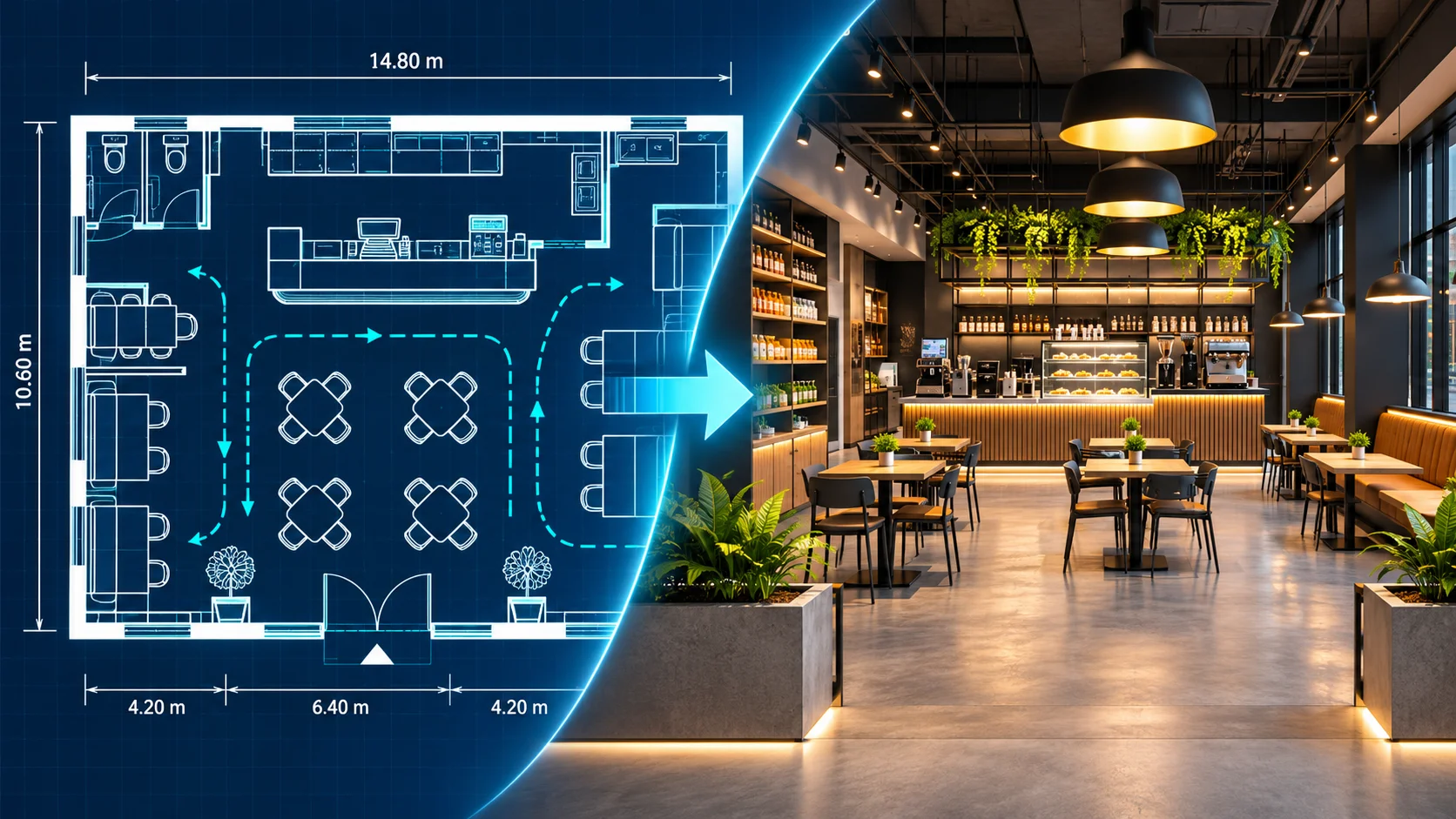
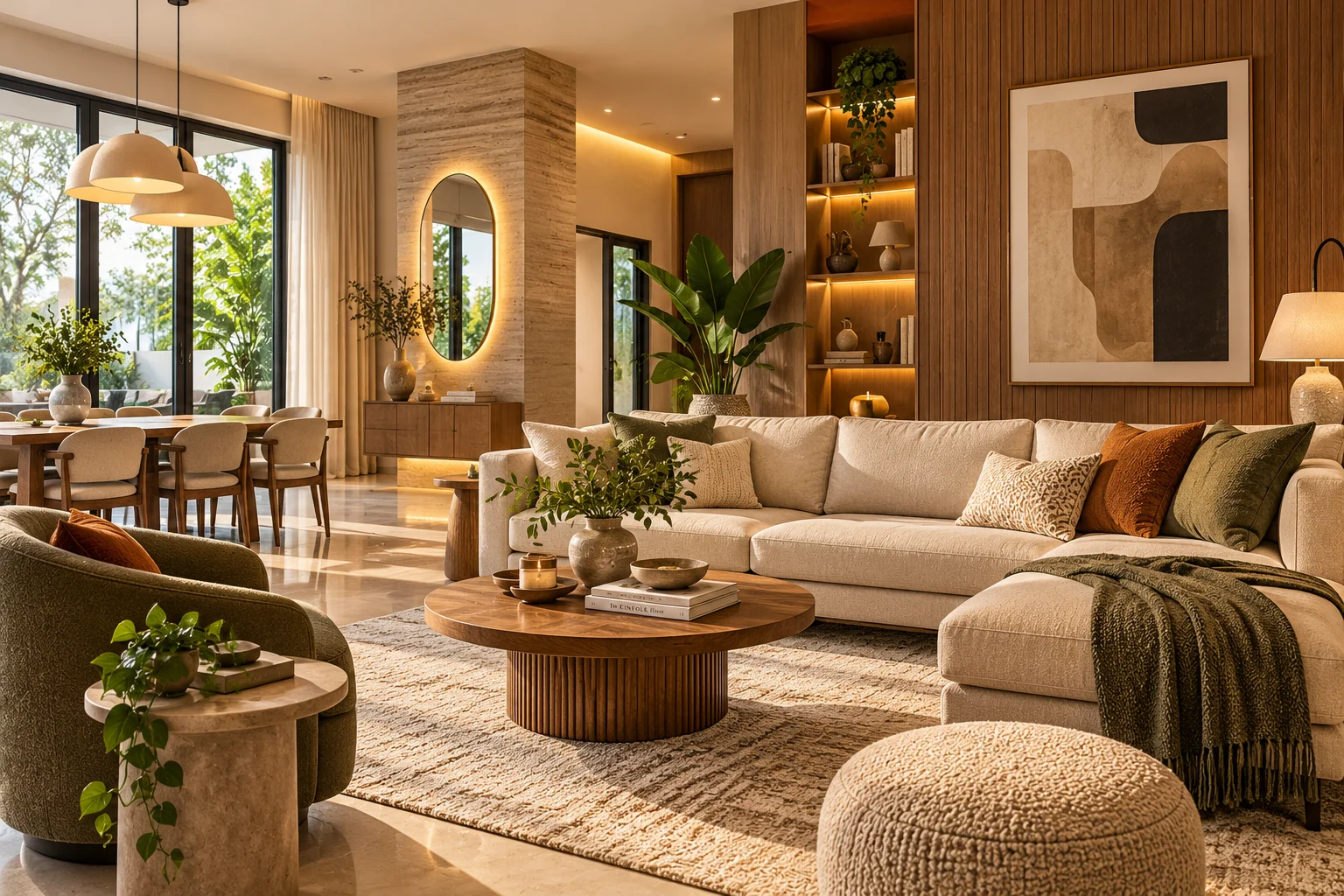
You're interested in design. You enjoy being creative. And now that you're thinking about your career after Class 12, two options keep coming up: fashion design and interior design.
Both sound exciting.
Fashion design gives you the opportunity to create clothing, experiment with fabrics and develop collections. Interior design lets you transform rooms, plan spaces and create environments that people use every day.
But there's one problem.
How do you choose between two careers when you haven't actually experienced either of them?
It's easy to be attracted to beautiful runway photographs or impressive home interiors. Understanding the work that goes into creating them is something else entirely.
This guide compares fashion design vs interior design in terms of subjects, skills, career opportunities, salaries, course options and working environments in India.
It also includes two practical projects you can try at home before making your decision.
Fashion Design vs Interior Design: What's the Main Difference?
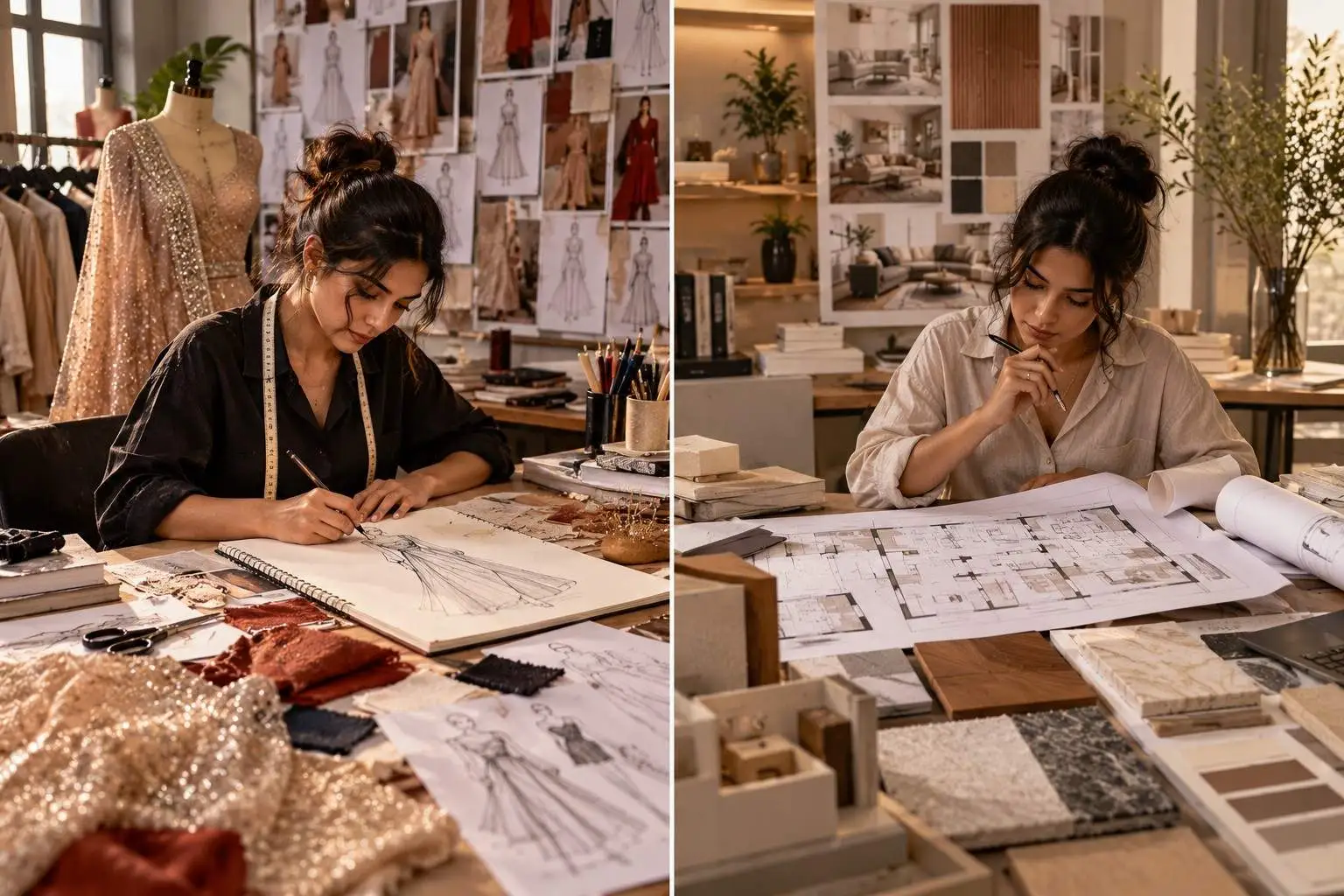
Fashion design focuses on creating clothing, accessories and wearable products, while interior design focuses on planning and designing spaces for the people who use them.
Both involve creativity, research, technical knowledge and problem-solving, but the final outcomes are different.
A fashion designer might develop a collection of garments for a clothing brand.
An interior designer might plan the layout, lighting, furniture and finishes for a new apartment.
Here's a quick comparison.
1. What Do You Actually Study in Fashion Designing?
A fashion design course teaches students how clothing ideas move from research and sketches to finished garments.
Imagine you have an idea for a modern outfit inspired by traditional Indian textiles.
You might begin by researching materials and cultural references. Next, you develop sketches, select fabrics, create patterns, make samples and test the garment's fit.
A complete design project involves multiple stages.
Common subjects in fashion design courses
Fashion illustration: Learning to draw fashion figures and communicate clothing ideas.
Textile studies: Understanding fabrics, their properties and how different materials behave.
Pattern making: Translating garment measurements and designs into patterns.
Garment construction: Learning stitching, seams, finishing and assembly techniques.
Draping: Experimenting with fabric directly on a dress form.
Fashion history and trend research: Understanding the cultural, historical and commercial influences behind clothing.
Digital design: Using suitable software for illustrations, technical drawings or digital presentations.
Collection development: Creating a coordinated set of garments around a design concept.
The exact curriculum depends on the institute, qualification and course duration.
What does a fashion design student actually do?
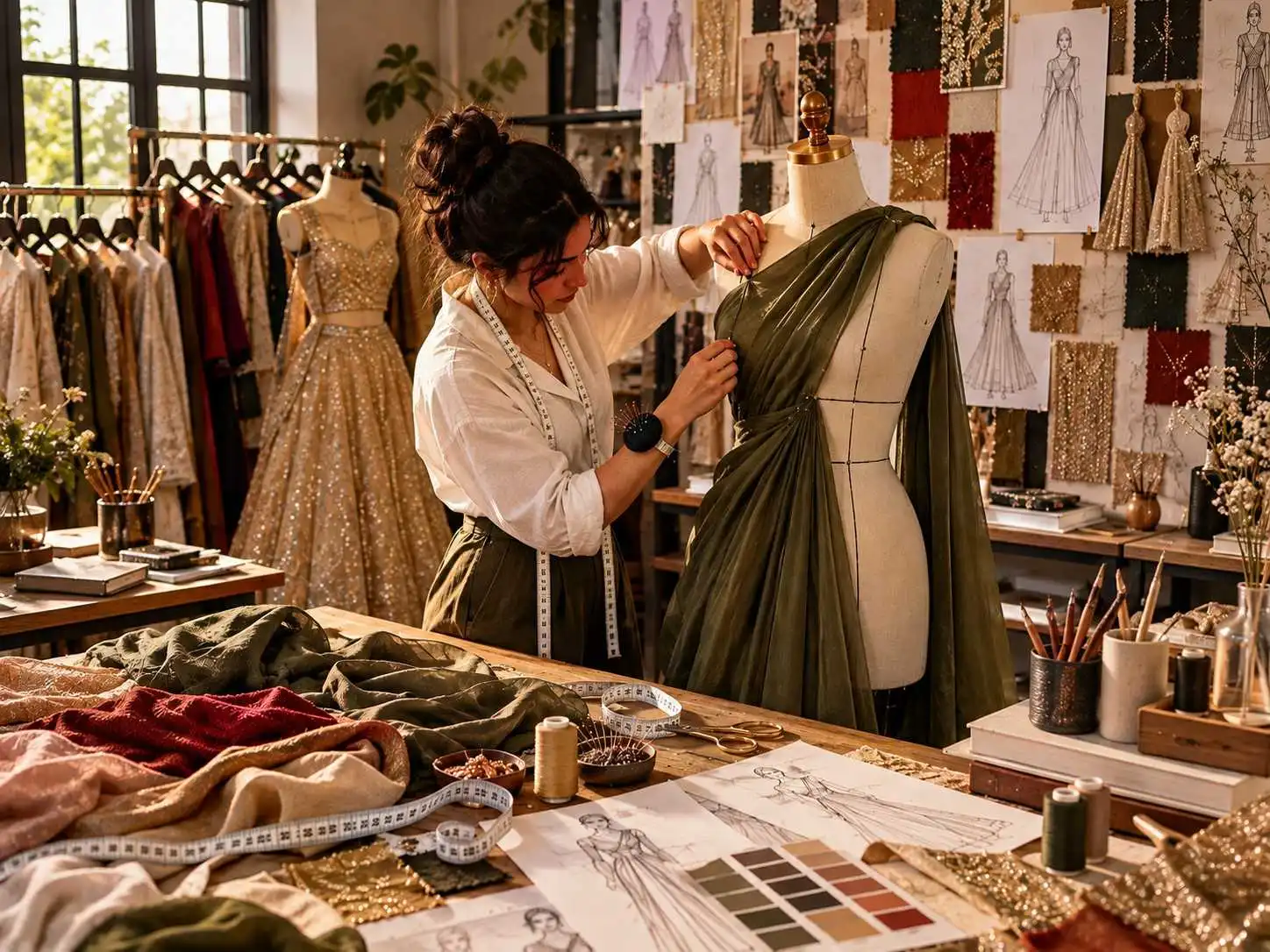
A student's day might involve sketching silhouettes in the morning, developing a garment pattern during a practical session and adjusting a sample after a fitting.
Another day might be spent researching textiles or preparing designs for a presentation.
You spend time both thinking creatively and solving technical problems.
For example, you may love how a garment looks in a sketch, only to discover that the chosen fabric doesn't create the intended silhouette.
You then need to change the fabric, pattern or design.
That's a normal part of the creative process.
Who should consider fashion design?
Fashion design may suit you if you enjoy working with clothing, noticing garment details, experimenting with textiles and exploring personal style.
It is especially worth considering if you like the idea of transforming a sketch into something a person can actually wear.
However, enjoying shopping or following fashion trends alone isn't the same as enjoying garment design and construction.
2. What Do You Actually Study in Interior Designing?
Interior design focuses on creating spaces that meet practical needs while providing a considered visual experience.
Imagine a family moving into a compact two-bedroom apartment.
They need storage, comfortable seating, a dining area and a place where someone can work from home.
An interior designer must understand these needs, measure the space, develop layouts and choose appropriate materials, lighting and furniture.
The goal isn't simply to make the apartment look beautiful in photographs.
It needs to function properly for the people living there.
Common subjects in interior design courses
Space planning: Organizing rooms, furniture and circulation.
Technical drawing: Preparing plans, elevations and other drawings used to communicate a design.
Materials and finishes: Understanding flooring, wall finishes, furniture materials and their practical properties.
Lighting design: Planning suitable illumination for different activities.
Furniture design: Understanding dimensions, ergonomics and furniture construction.
Computer-aided design: Creating drawings and three-dimensional visualizations using suitable software.
Design history and principles: Studying styles, visual composition and the development of interior environments.
Project coordination: Understanding budgets, specifications, suppliers and implementation.
What does an interior design student actually do?
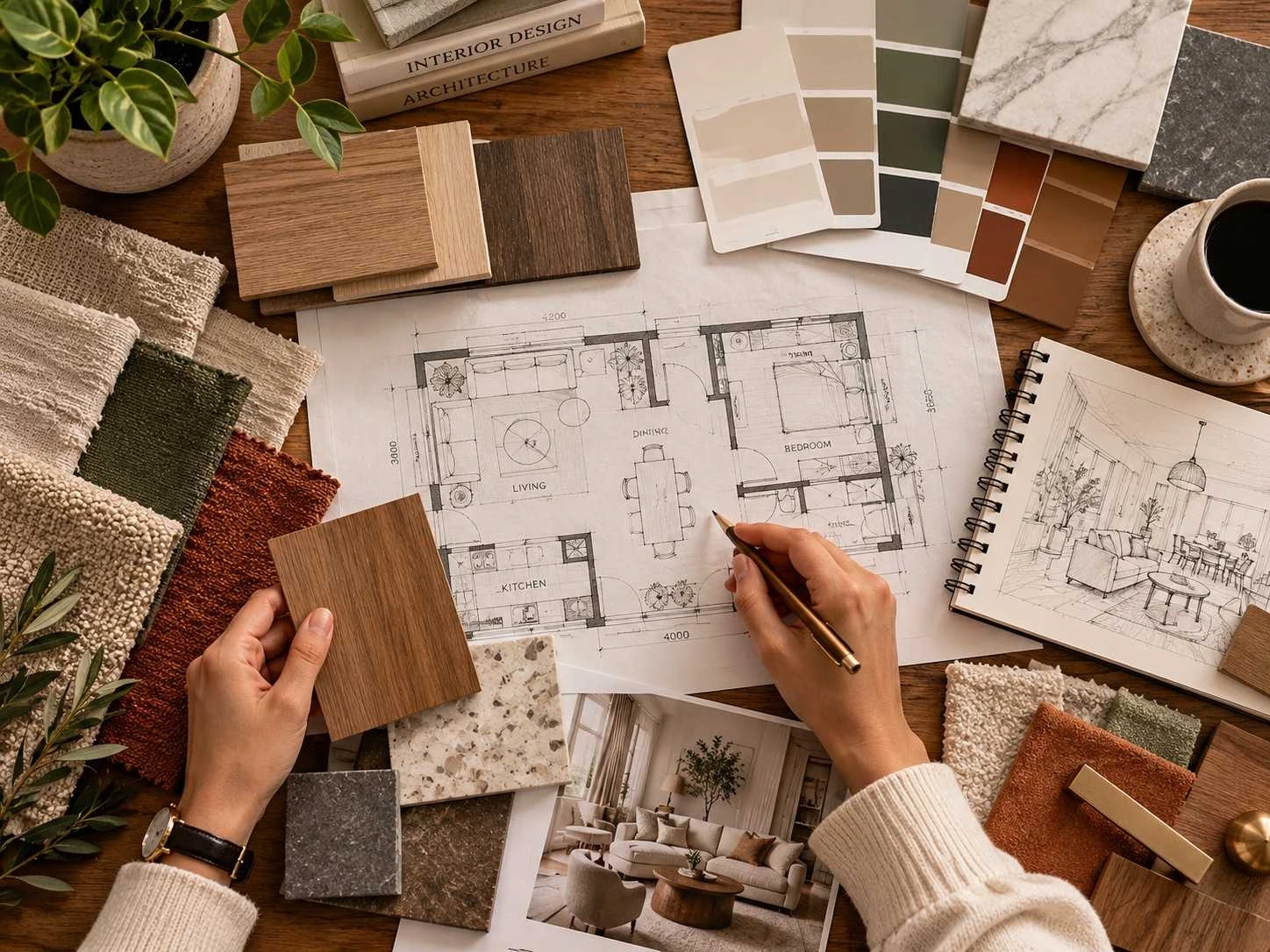
A student may spend one day preparing a furniture layout and another selecting finishes for a room.
They might create a physical model, develop a digital rendering or prepare drawings for a project review.
A design can look excellent on screen but still fail in practice.
For example, a wardrobe may block a doorway, a chair may leave insufficient walking space or a beautiful finish may be unsuitable for a frequently used area.
Interior designers need to recognize and resolve such problems.
Who should consider interior design?
Interior design may suit you if you're curious about how spaces work, enjoy planning layouts and want to understand how materials, lighting and furniture influence everyday environments.
But enjoying decorating your bedroom isn't the only indicator.
You should also be interested in measurements, technical drawings, budgets and the practical constraints of real buildings.
3. Fashion Design vs Interior Design: Which Course Is Harder?
Neither course is automatically easier.
They are challenging in different ways.
Fashion design requires attention to measurements, garment fit, fabric behaviour and construction quality.
Interior design requires spatial understanding, precise drafting, coordination and the ability to work within physical and regulatory constraints.
For example, a fashion student might spend hours correcting the fit of a jacket.
An interior design student might revise a kitchen layout several times to accommodate storage, movement and services.
Both situations require patience and problem-solving.
Which course requires more drawing?
Both use drawing, but for different purposes.
Fashion design students commonly learn fashion illustration, garment flats and design development sketches.
Interior design students commonly learn plans, elevations, perspectives and other technical drawings.
You don't need to begin either course as an expert artist, but you should be willing to practise visual communication.
Is mathematics necessary?
Both fields use practical mathematics.
Fashion design involves body measurements, pattern calculations, fabric quantities and costing.
Interior design involves dimensions, scale, area calculations, furniture clearances and budgets.
Advanced mathematics requirements depend on the specific course and admission rules.
Don't assume that a particular school stream or mathematics subject is mandatory for every design program. Always check the institute's published eligibility criteria.
4. What Is the Difference Between a Fashion Designer's and an Interior Designer's Daily Work?
This is one of the most useful ways to understand the two careers.
Let's imagine a working day in each profession.
A day in the life of a fashion designer
A fashion designer working for an apparel brand might begin by reviewing the latest garment samples.
One sample has a fit problem. Another uses a material that doesn't fall as expected.
The designer discusses corrections with the pattern-making and production teams.
Later, they revise a technical drawing, select colours for a collection and review material samples.
There may also be meetings about deadlines, costs and customer requirements.
The work involves creativity, but also detailed execution.
A day in the life of an interior designer
An interior designer working on a residential project might start by visiting the site.
They check measurements, review installation progress and discuss practical issues with the contractor.
Later, they return to the studio to revise a furniture layout and prepare a presentation for the client.
They may also speak with material suppliers and review budgets.
Again, creativity is only one part of the job.
Which working environment would you prefer?
Ask yourself which type of problem you would rather solve.
Would you prefer adjusting a garment pattern until it fits correctly?
Or would you prefer revising a room layout until it provides better movement, storage and comfort?
Neither answer is better.
But your response can reveal what kind of work you find satisfying.
5. Fashion Design vs Interior Design Salary in India (2026)
Salary is an important consideration when choosing a career.
However, comparing only the highest-paying designers in each industry can create unrealistic expectations.
Income depends on experience, location, skills, job responsibilities, employer and whether you're employed or self-employed.
Entry-level salary comparison
How salaries can grow
As designers gain experience, they may move into senior design, management, specialized technical roles or independent practice.
Fashion designers might progress into collection management, merchandising, technical development or brand leadership.
Interior designers might specialize in residential projects, commercial interiors, design management or project coordination.
In both fields, progression depends on the quality of work and the responsibilities undertaken.
Can freelancers earn more than salaried designers?
Some do, but freelance revenue is not the same as take-home income.
A fashion designer running a small clothing label must account for fabric costs, production, sampling, marketing, unsold stock and other expenses.
An independent interior designer must consider staff, site visits, software, project coordination, revisions and other business costs.
For this reason, selecting a course entirely on the basis of advertised freelance earnings is risky.
Which pays more: fashion design or interior design?
There is no reliable universal winner. The salary ranges overlap, and individual specializations, skills and experience can matter more than the course title.
6. Career Opportunities After Fashion Design
Fashion design can lead to several careers beyond becoming a runway designer.
Fashion Designer
Develops clothing concepts, selects materials and works toward finished garments.
Textile Designer
Creates surface patterns, textile concepts or material-related designs.
Fashion Stylist
Coordinates clothing and accessories for individuals, brands, photography or media productions.
Costume Designer
Develops clothing for characters in films, theatre or other productions, often requiring historical or narrative research.
Fashion Merchandiser
Works on product assortment, customer demand, planning and commercial aspects of clothing businesses.
Fashion Entrepreneur
Develops and operates an independent clothing or accessory business.
Different roles require different levels of technical skill, experience and business knowledge.
Students should explore the responsibilities of each role rather than assuming that every fashion career involves sketching garments all day.
7. Career Opportunities After Interior Design
Interior design also provides several professional pathways.
Residential Interior Designer
Works on homes and apartments, balancing the needs of occupants with the available space and budget.
Commercial Interior Designer
Plans interiors for offices, retail spaces and other commercial environments.
Hospitality Interior Designer
Works on hotels, resorts, restaurants and related spaces, considering guest experience and operational requirements.
Furniture Designer
Develops furniture concepts, dimensions, materials and practical details.
Interior Design Visualizer
Creates digital models and visual presentations to communicate design ideas.
Interior Design Project Coordinator
Supports execution by coordinating schedules, materials, drawings and stakeholders.
As with fashion design, specialized roles may require additional training and experience.
8. Fashion Designing or Interior Designing After 12th: Which Course Should You Choose?
Students often begin exploring design careers immediately after Class 12.
In India, there are several educational routes, including degree, diploma and certificate programs.
These qualifications are not necessarily interchangeable.
Fashion design course options
Depending on the institution, students may find B.Des, B.Sc, diploma and certificate programs related to fashion design.
Interior design course options
Students may find B.Des, B.Sc, diploma and certificate programs related to interior design and related specializations.
Course duration and eligibility vary considerably.
Degree vs diploma: What should you check?
Before enrolling, compare:
9. How to Choose Between Fashion and Interior Design: Try These Two Projects
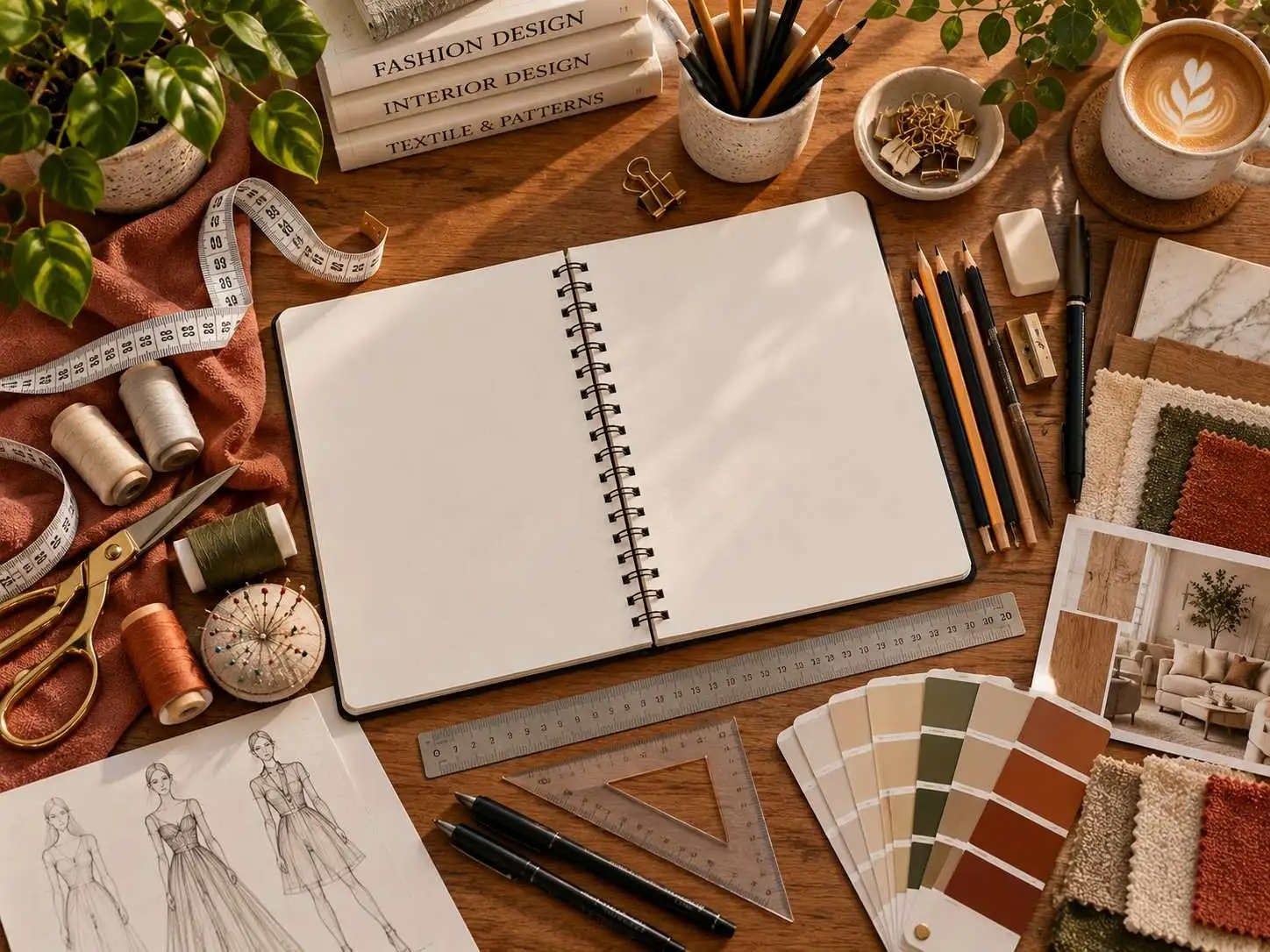
If you're still confused, don't rely only on a personality quiz.
Try a simple project in each field.
You may learn more from a few hours of practical work than from reading another dozen course descriptions.
Project 1: Design a fashion outfit
Imagine you're creating an outfit for a college cultural event.
Your task:
Choose a wearer and the type of event.
Research five relevant clothing references and identify what you like about them.
Create three original sketches.
Choose one design and identify the material, silhouette, colours and main construction details.
Finally, explain why your outfit would suit the intended person and occasion.
You don't have to stitch the garment.
The goal is to experience the beginning of the fashion design process.
Project 2: Redesign a small room
Now imagine you're redesigning your bedroom or study corner.
Your task:
Measure the existing space.
Draw a simple floor plan.
Identify how the room is currently used and what isn't working.
Create two furniture-layout alternatives.
Choose materials and colours that suit your needs.
Then explain why your final layout would be more practical.
You don't have to purchase any furniture or renovate the room.
The aim is to experience the thinking involved in interior design.
Compare how the two projects felt
After completing both projects, ask yourself:
- Which activity held my interest longer?
- Which problems did I enjoy solving?
- Did I prefer exploring garments and materials or working with dimensions and spaces?
- Which project would I voluntarily continue improving?
- What skills would I be excited to practise for the next year?
Don't choose the project simply because your final result looks better.
Choose based on the process you genuinely enjoyed.
10. Can You Switch From Fashion Design to Interior Design Later?
A creative career doesn't always follow one straight path.
Some skills are transferable between fashion design and interior design.
Both involve colour, composition, material knowledge, presentation and understanding user needs.
For example, a fashion designer may have experience with textiles that becomes useful in soft furnishing design.
An interior designer may develop an interest in furniture, exhibition design or retail environments.
However, transferable skills don't mean the two professions are identical.
Moving from one specialization to another may require additional education, technical training and practical experience.
It is possible to explore new directions, but students should understand the specific qualifications required for their intended roles.
11. How AI and Digital Tools Are Changing Fashion and Interior Design
Technology is influencing both fields.
Fashion designers may use digital illustration, garment CAD or three-dimensional apparel simulation tools.
Interior designers may use CAD, building-information modelling, digital visualization and rendering software.
AI-based tools can also assist with early concept exploration, reference organization and visual communication.
However, generating an attractive image is not the same as producing a garment or building a functional interior.
A fashion concept still needs appropriate patterns, materials and fit.
An interior concept still needs accurate measurements, practical specifications and suitable technical coordination.
For students, the best approach is to develop fundamental design skills alongside digital literacy.
Technology can support the work, but it doesn't remove the need to understand how designs are made.
12. Fashion Design vs Interior Design in Ahmedabad: What Opportunities Should Students Explore?
Ahmedabad has a distinctive combination of textiles, commercial activity, architecture and design education.
Students considering fashion design can explore opportunities related to textiles, apparel businesses, boutiques, garment production and independent labels.
Students considering interior design can explore residential interiors, commercial spaces, furniture businesses and design studios.
However, local industry presence doesn't guarantee immediate employment.
A student should investigate specific job roles, portfolio requirements, internship opportunities and the actual type of work available.
What should you ask about a design institute in Ahmedabad?
Before choosing a course, arrange a campus visit or counselling session and ask to see real student work.
For fashion design, request examples of sketches, garment samples, pattern-making exercises and finished collections.
For interior design, request examples of floor plans, technical drawings, material boards, models and completed project presentations.
Ask who teaches the practical subjects and how students receive feedback.
Also request written information on qualification, fees, course duration and career support.
13. Studying Fashion or Interior Design at Amor Design Institute
At Amor Design Institute in Ahmedabad, students can explore education in both fashion design and interior design.
The institute's existing course information highlights practical creative development and student presentation opportunities.
For fashion students, Amor Glitzz provides a platform associated with presenting fashion collections.
For interior design students, Amor Rasa provides opportunities to showcase spatial concepts, models and other design work.
These are useful aspects to explore because they help prospective students understand what actual projects may look like.
However, exhibitions alone shouldn't determine your course choice.
Review the detailed curriculum, available facilities, qualification, faculty and relevant student outcomes before enrolling.
You can explore the available course information through Amor Design Institute's official website.
14. Which Is Better: Fashion Design or Interior Design?
The better option is the one whose work you genuinely want to learn and practise.
Choose fashion design if you're drawn to garments, fabrics, wearable products and the process of turning clothing ideas into real pieces.
Choose interior design if you're drawn to spaces, layouts, furniture, materials and the challenge of creating environments that work well for people.
If both appeal to you, try the practical projects above and compare your experience.
You can also speak with professionals in both industries and ask about the less glamorous parts of their work.
A good career choice should take into account your interests, the skills you're willing to develop, course quality and your long-term goals.
Neither field guarantees success, and neither is inherently superior.
Frequently Asked Questions
What is the main difference between fashion design and interior design?
Fashion design focuses on clothing, accessories and wearable products. Interior design focuses on creating functional and visually considered indoor spaces. Both combine creative and technical skills.
Fashion design or interior design: Which is better after 12th?
Neither is universally better. Fashion design suits students interested in clothing and textiles, while interior design suits those interested in spaces and their practical use. Compare course content and try beginner projects before choosing.
Which has a higher salary, fashion design or interior design?
Salary ranges overlap. Entry-level pay depends on role, employer, location and skill level. Industry specialization and experience can have a greater effect on earnings than the field's name.
Is interior design harder than fashion design?
Both have different challenges. Interior design involves spatial planning, technical drawings and project coordination. Fashion design involves garment fit, pattern making, construction and textile knowledge.
Can I study fashion designing without knowing how to draw?
Yes, many beginners start without advanced drawing ability. However, you should be prepared to develop sketching and visual communication skills during your studies.
Can I study interior design without mathematics?
Some interior design programs admit students without advanced mathematics, but eligibility varies. The work itself requires practical measurements, scale, area calculations and costing.
Which course has more career opportunities in India?
Both have multiple career pathways. Fashion design includes apparel design, styling, textiles and merchandising. Interior design includes residential, commercial, hospitality and furniture-related roles. Opportunity depends on specialization, skills and local market conditions.
Is fashion designing a good career in 2026?
It can be a rewarding career for students who enjoy clothing design and are willing to build technical and commercial skills. Career outcomes depend on training, portfolio quality, experience and opportunities.
Is interior designing a good career in 2026?
It can be a suitable career for people interested in spatial problem-solving, materials and project work. Success depends on technical competence, practical experience and the ability to meet client needs.
Which course is more expensive?
Course costs vary by institution, qualification and duration. Fashion students may have additional fabric and garment-making expenses. Interior students may need model-making materials, software access and drawing equipment. Compare complete costs before enrolling.
Can commerce or arts students pursue design courses?
Many design programs accept applicants from different school streams, but eligibility requirements vary. Always verify the specific course and institute's admission criteria.
Should I choose a degree or a diploma in design?
It depends on your career goals, time commitment, financial circumstances and the qualification's recognition. Compare the awarding institution, curriculum, practical training and progression options before deciding.
Conclusion: Choose the Work, Not Just the Career Title
Fashion design and interior design both offer opportunities to turn creative ideas into something people can use.
But the work behind each profession is different.
One designer may spend an afternoon adjusting a garment pattern. Another may spend the same afternoon resolving furniture clearances in a compact apartment.
Both are creative. Both require patience. Both involve real-world constraints.
The question isn't simply which career sounds more impressive.
It's which kind of problems would you enjoy solving, even on an ordinary working day?
Try both fields on a small scale, understand their technical requirements and compare the courses available to you.
That will help you make a more informed decision than choosing a career based only on trends, salary headlines or attractive photographs.
Research and Career Information Sources
- Government of India - National Classification of Occupations (2015). Occupational descriptions for Fashion Designer and Interior Designer. National Career Service
- Careers360 (2026). Is Design a Good Career in India? Salary, Scope and Future Prospects. Published estimates for entry-level design salaries and career progression.
- Careers360 (2026). Fashion Designer Salary in India. Role-specific salary estimates.
- Careers360 (2026). Interior Designer Salary in India. Salary comparisons and experience-related estimates.
Salary figures are indicative third-party estimates, not audited employment outcomes or guaranteed income.